Vegan Masala recommends
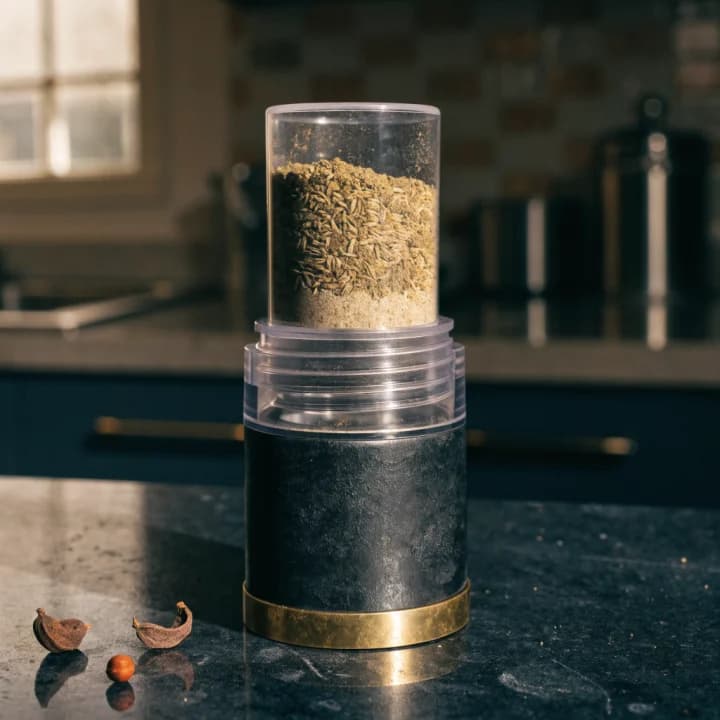
KRUPS Coffee Grinder and Spice Mill, 200W
Freshly grinding toasted cumin, coriander and pepper gives beginner masalas a brighter aroma.
View on Amazon UK
Paid affiliate link · No extra cost to you

Plant-based Indian recipes, made authentically
vegan-masala.com
information@vegan-masala.com
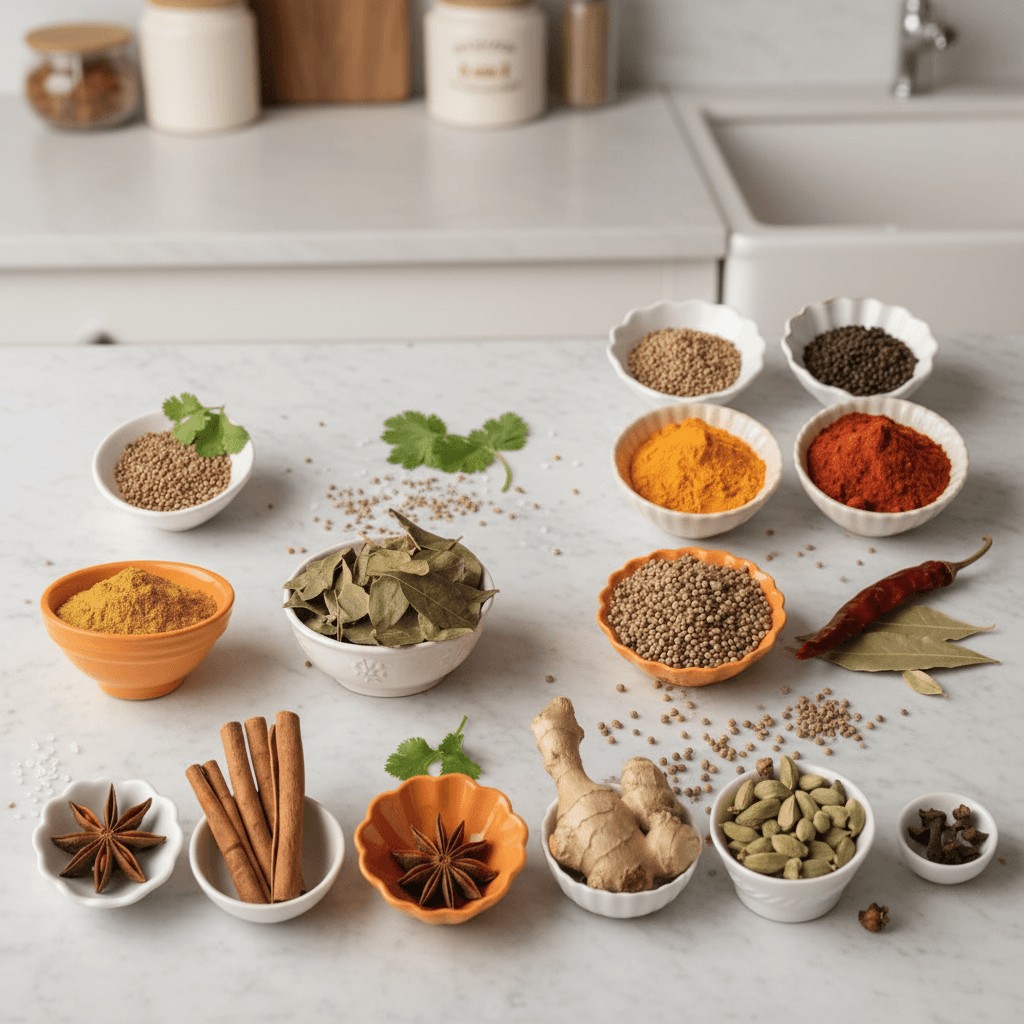
A simple beginner guide to the most important spices used in vegan Indian cooking and how to use them.
Indian cooking relies on layering spices to build flavour. Once you understand a few key spices, you can cook a huge range of dishes. This guide explains the most important spices beginners should understand first.
These form the base flavour of many Indian dishes.
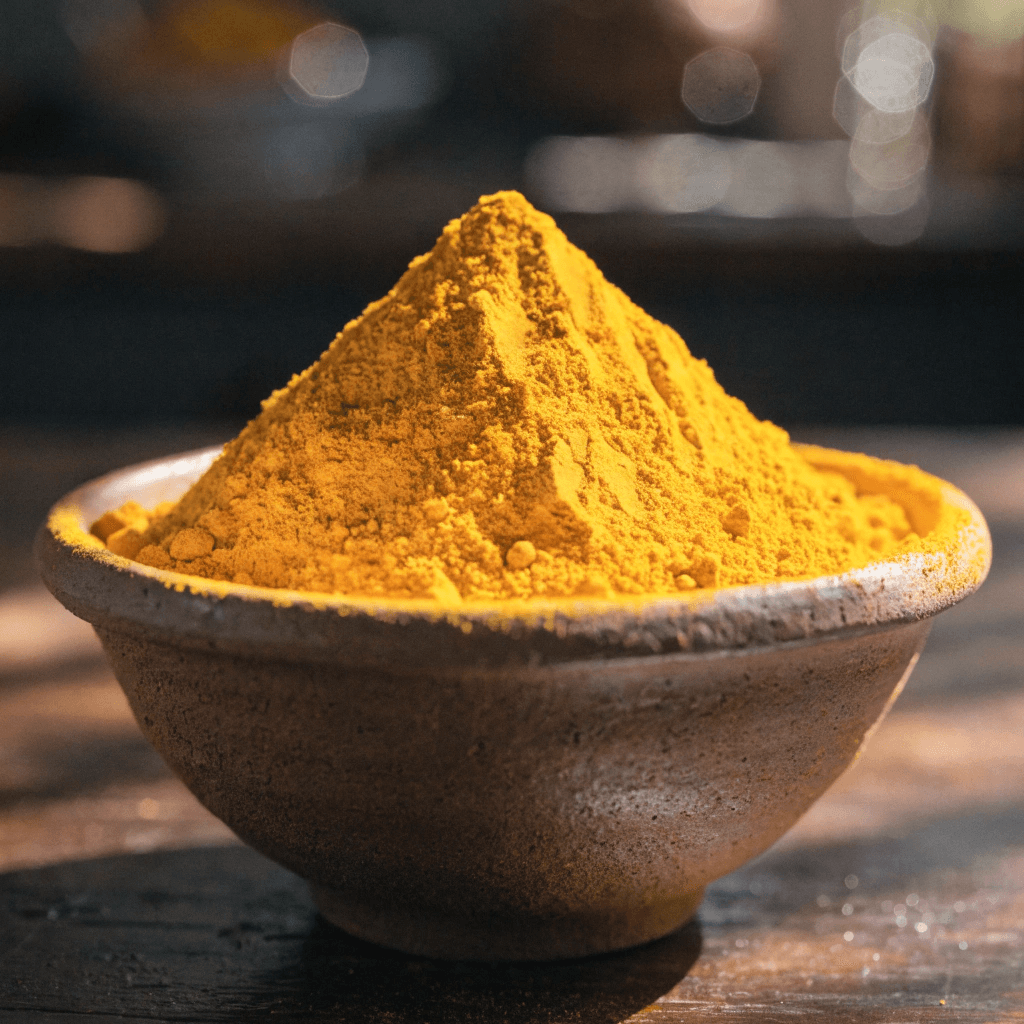
Adds colour, earthiness and mild bitterness. Almost every curry uses turmeric.
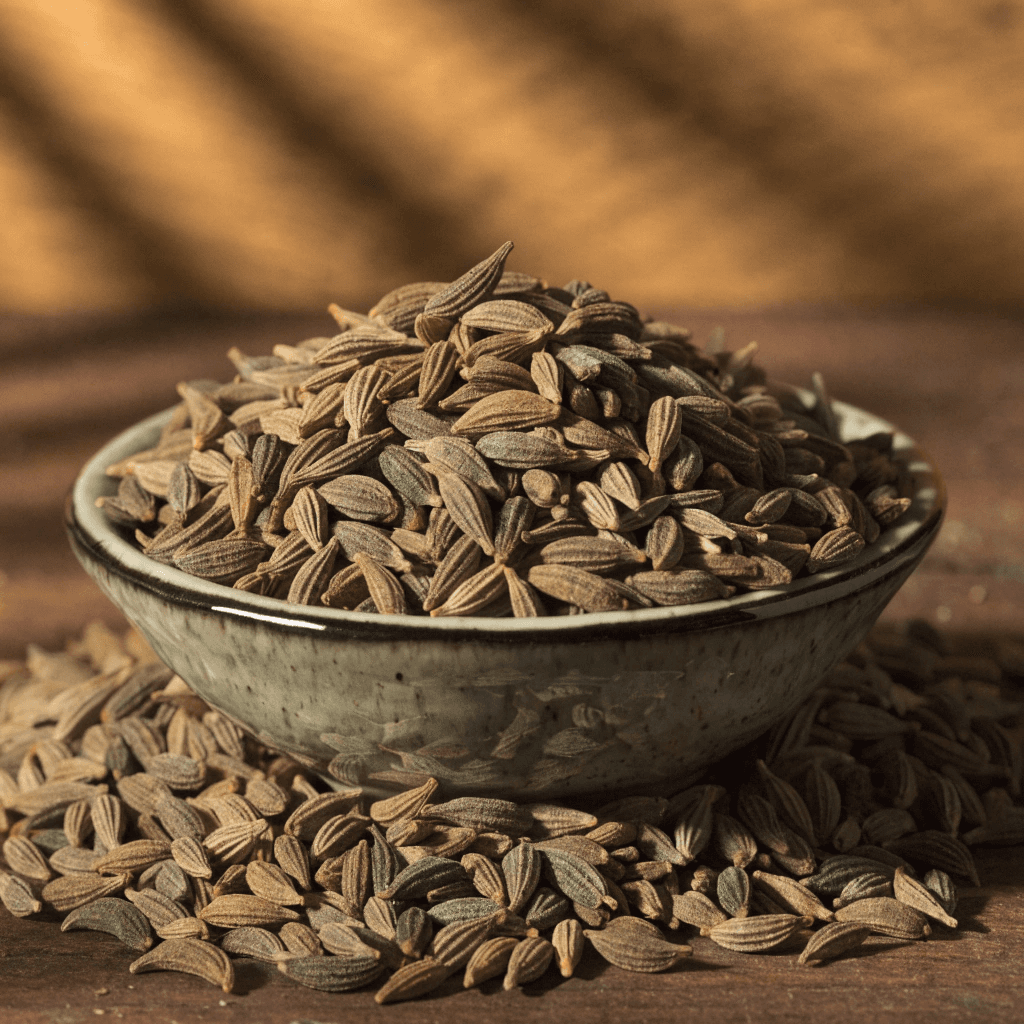
One of the most important spices. Often tempered in hot oil to start dishes.
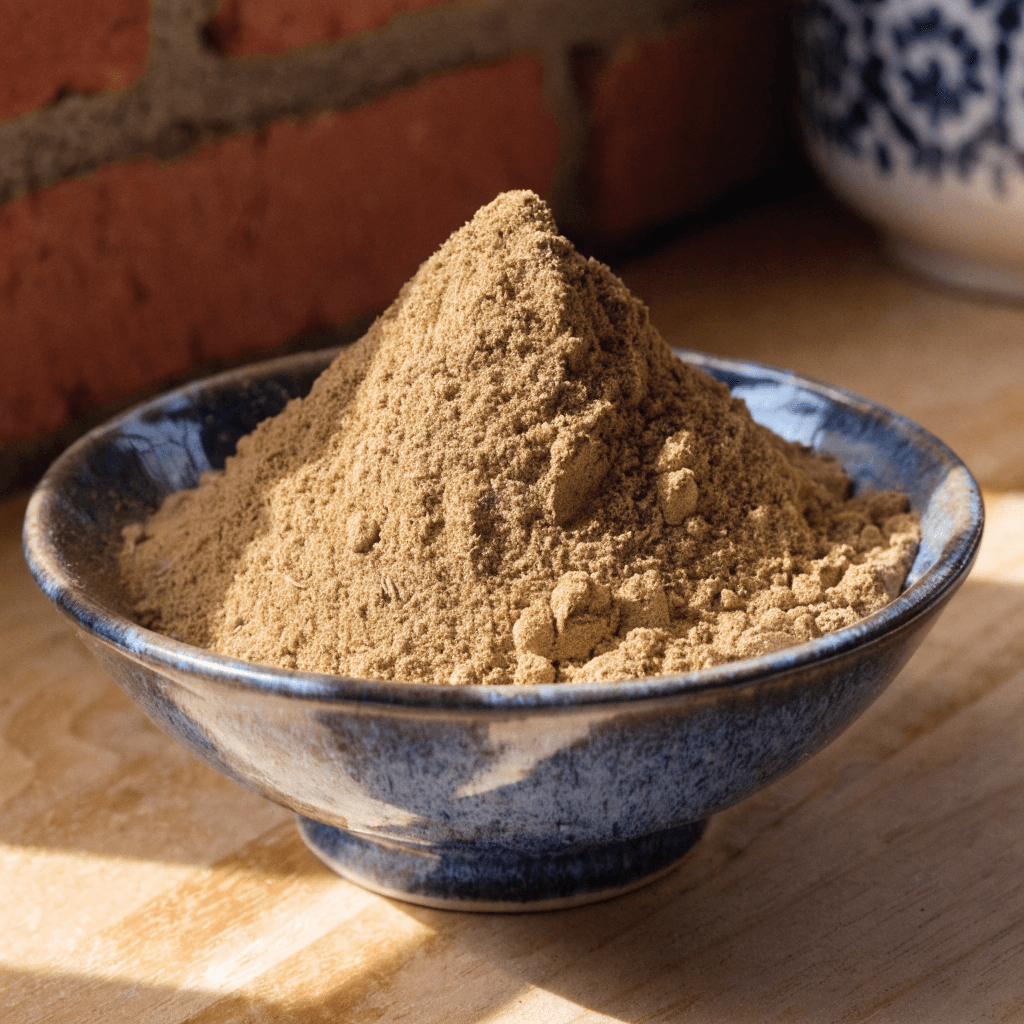
Adds deep savoury warmth to curry bases.
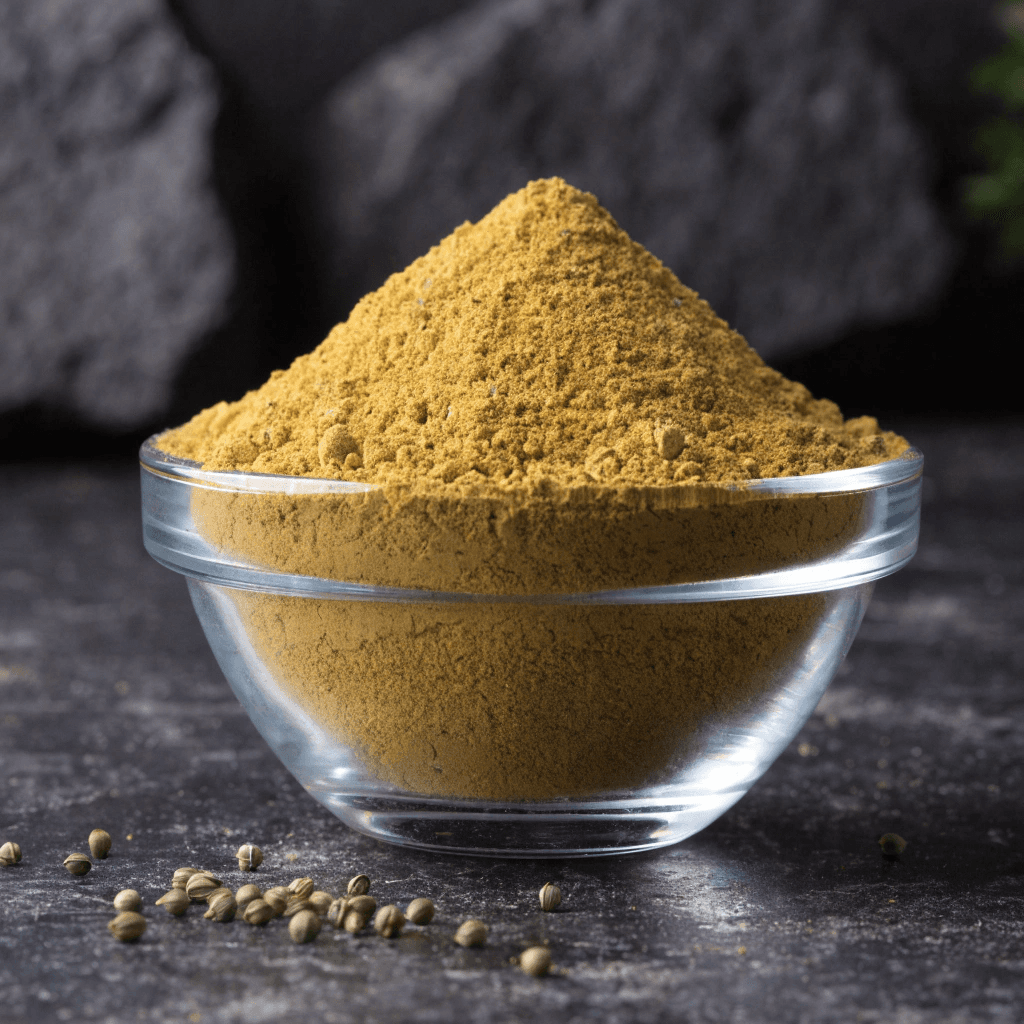
Mild citrus flavour that balances stronger spices.
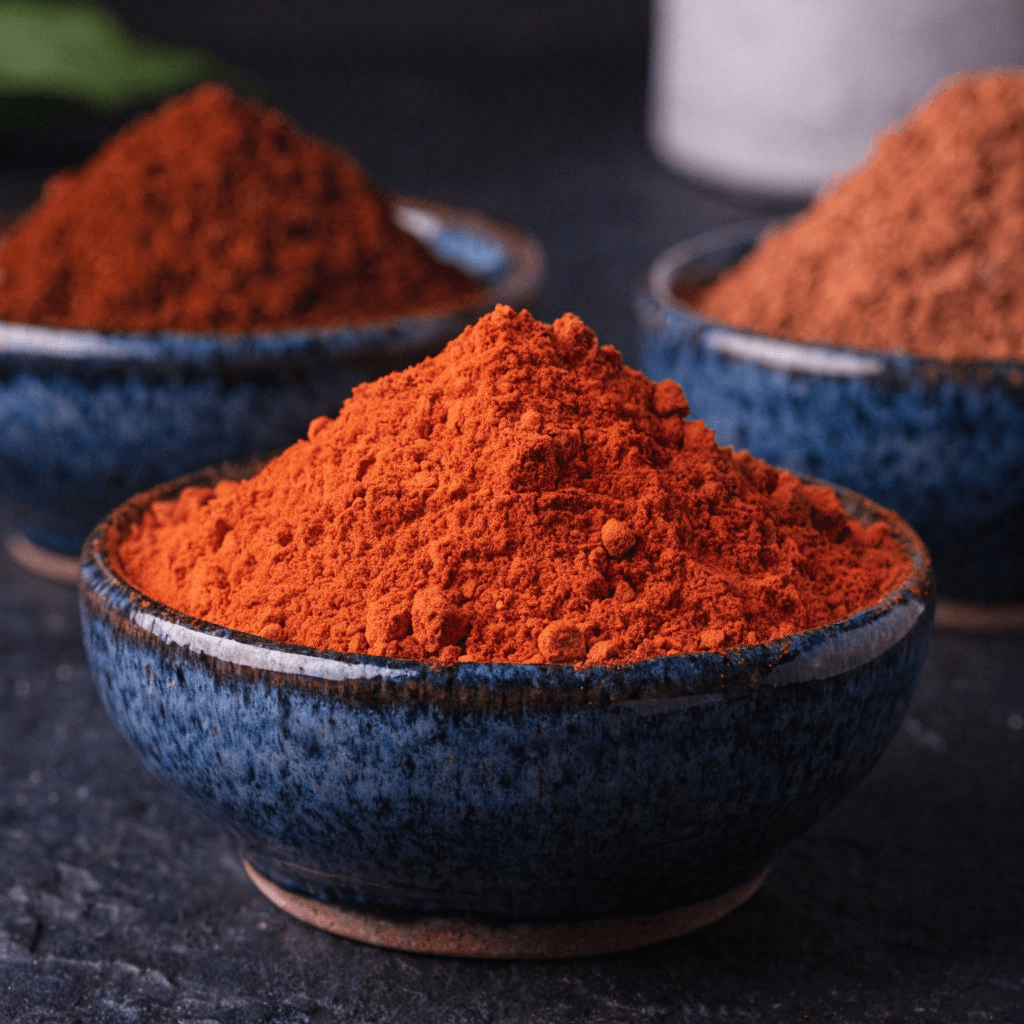
Adds heat depending on type used.
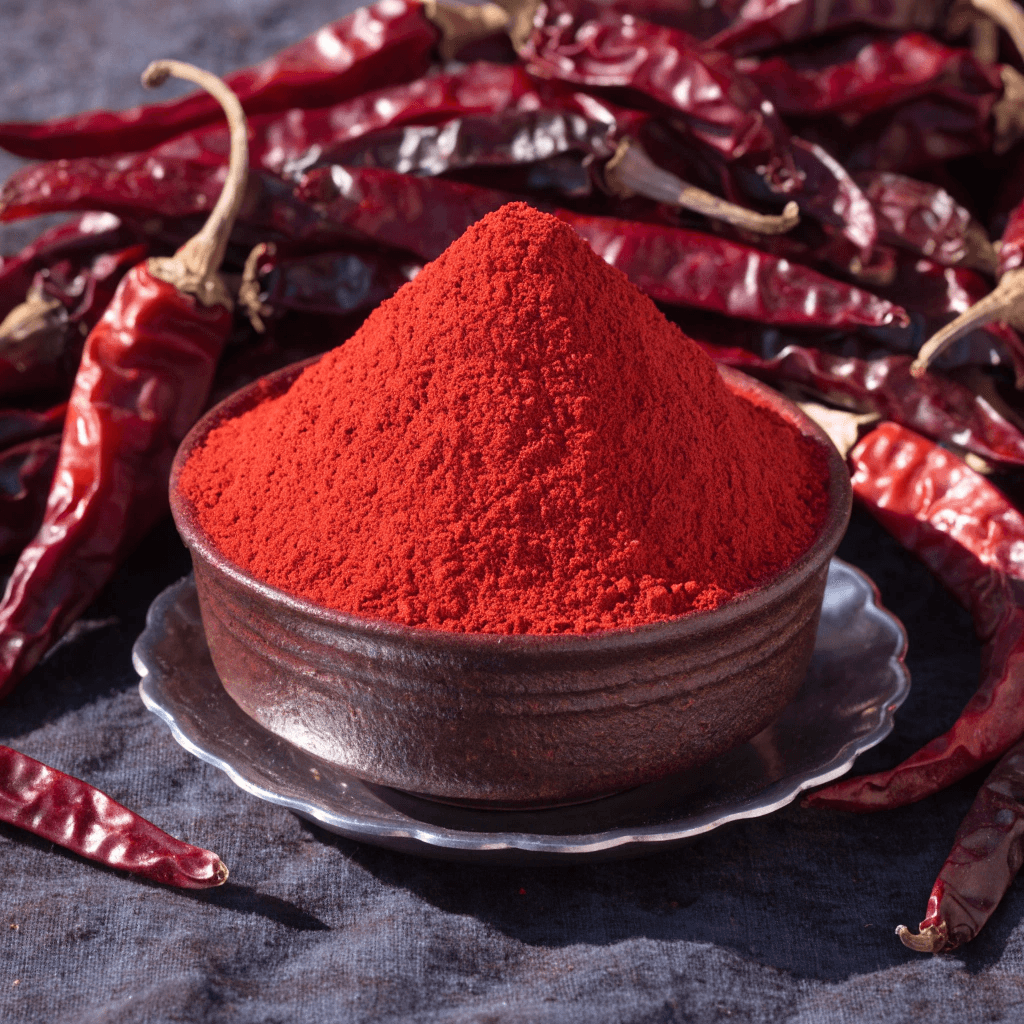
Used more for colour than heat.
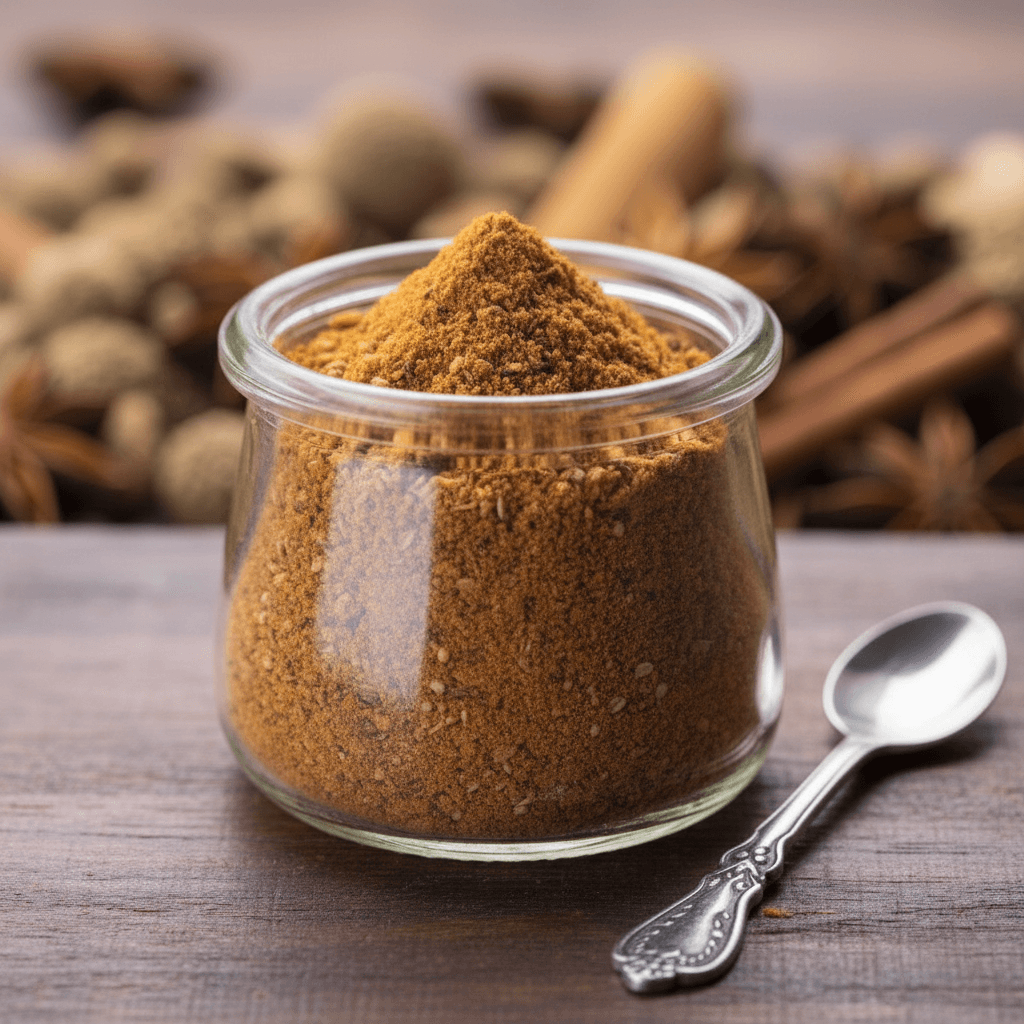
A finishing spice blend usually added near the end.
These spices are usually fried in hot oil at the start of cooking.
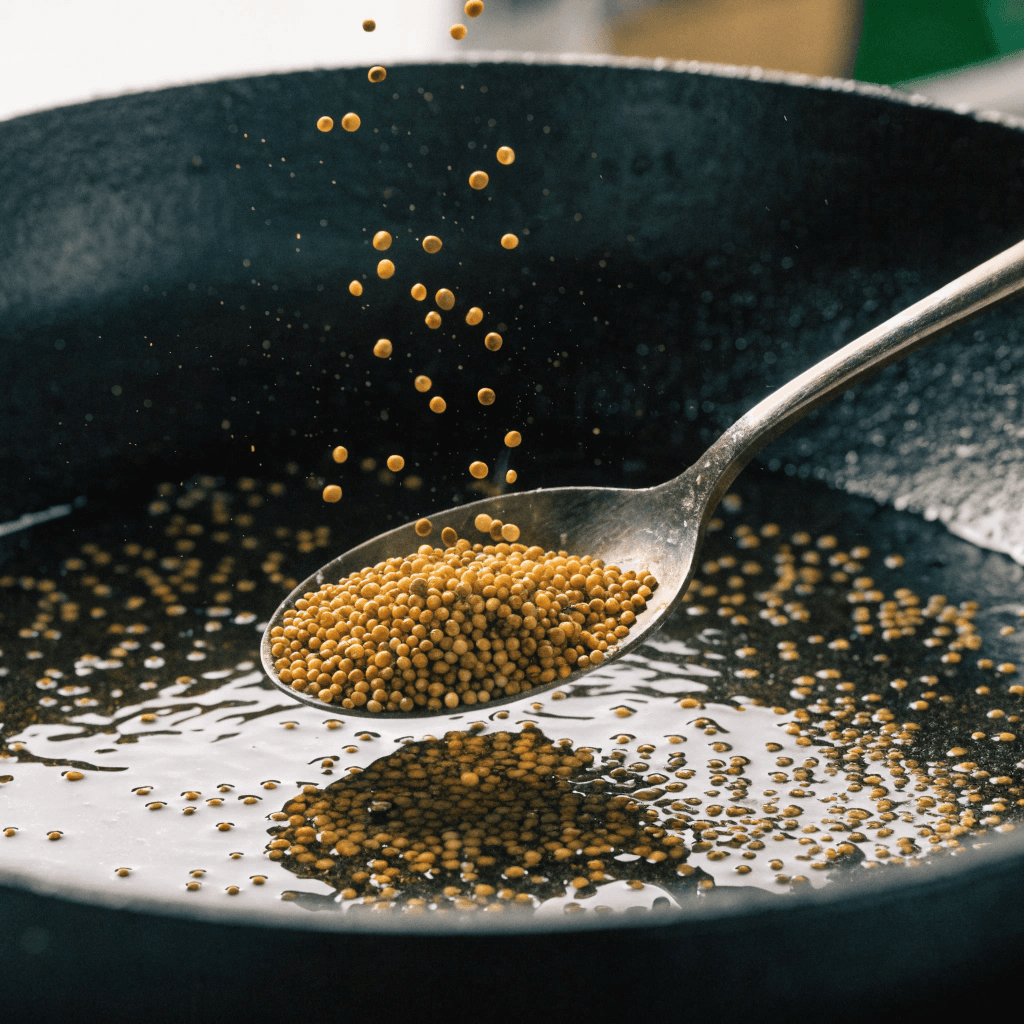
Nutty seeds that pop in hot oil and release flavour.
Adds aroma and depth when fried.
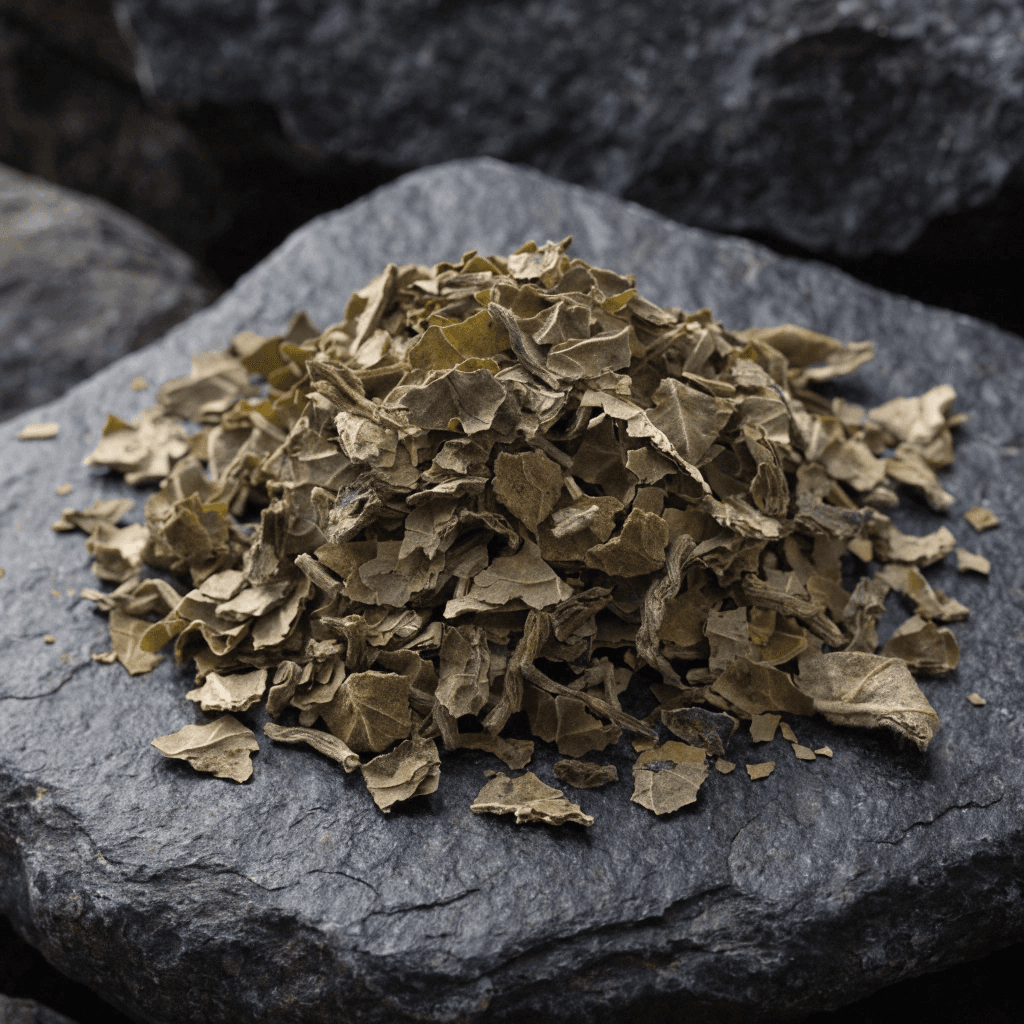
Slight bitterness used in small amounts.
These help round out dishes and add complexity.
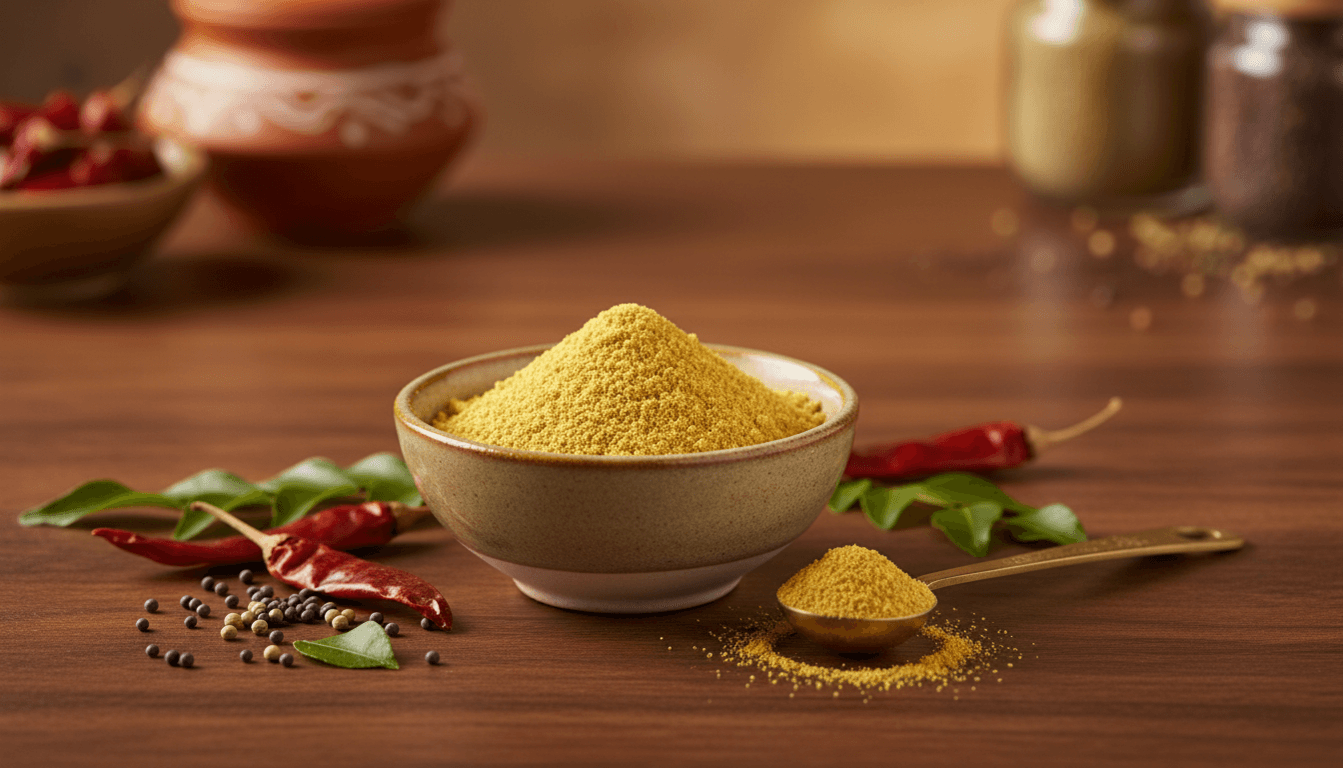
Strong savoury spice used especially in dal and bean dishes.
Used as a finishing spice rather than base spice.
Most Indian dishes follow a similar pattern:
Understanding this pattern makes most recipes easier to follow.
If you only buy a few spices, start with:
With just these you can cook many Indian dishes.
The most important beginner spices are cumin, coriander, turmeric, chilli powder, and garam masala. These form the base of many Indian curry recipes.
Most Indian curries use turmeric, cumin, coriander, chilli powder, and garam masala. Many also start with whole cumin or mustard seeds fried in oil.
Both are useful. Whole spices last longer and give stronger flavour when tempered in oil, while ground spices are easier for beginners and quicker to use.
Store spices in airtight containers away from heat and sunlight. A cool cupboard is ideal. Whole spices can last several years while ground spices should be refreshed yearly.
Garam masala is usually added at the end because it contains aromatic spices. Adding it late preserves the fragrance instead of cooking it away.
Indian cooking becomes much easier once you recognise these core spices. Most recipes simply use different combinations of the same ingredients. Once these spices become familiar, you can cook confidently without needing to follow recipes exactly.
Helpful kitchen picks
These optional shopping links are selected for the guide above. We may earn a commission from qualifying purchases at no extra cost to you.
Vegan Masala recommends
Freshly grinding toasted cumin, coriander and pepper gives beginner masalas a brighter aroma.
Paid affiliate link · No extra cost to you
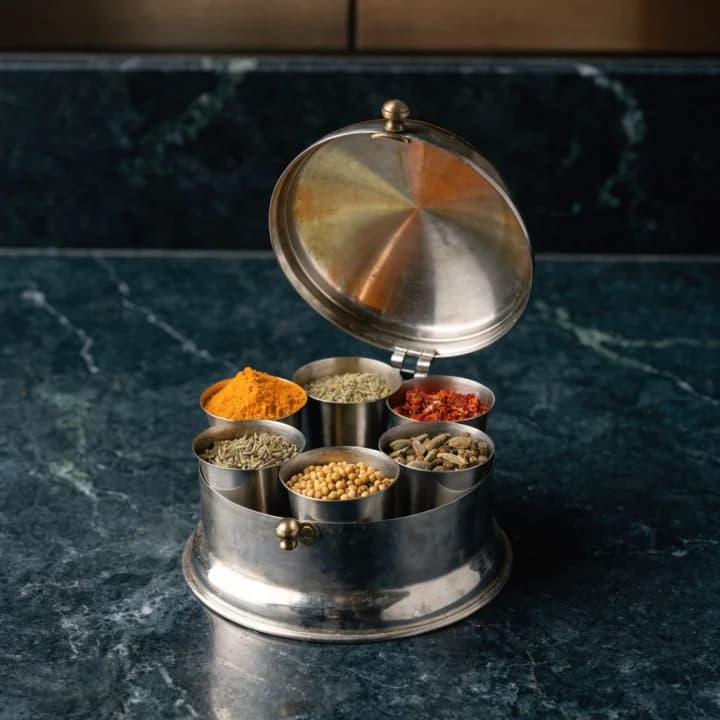
Vegan Masala recommends
Keeps core everyday spices visible and accessible while you learn how to combine them.
Paid affiliate link · No extra cost to you

Affiliate partner
Explore vegan herbs and spices while building a useful beginner Indian spice collection.
Visit Ethical Superstore →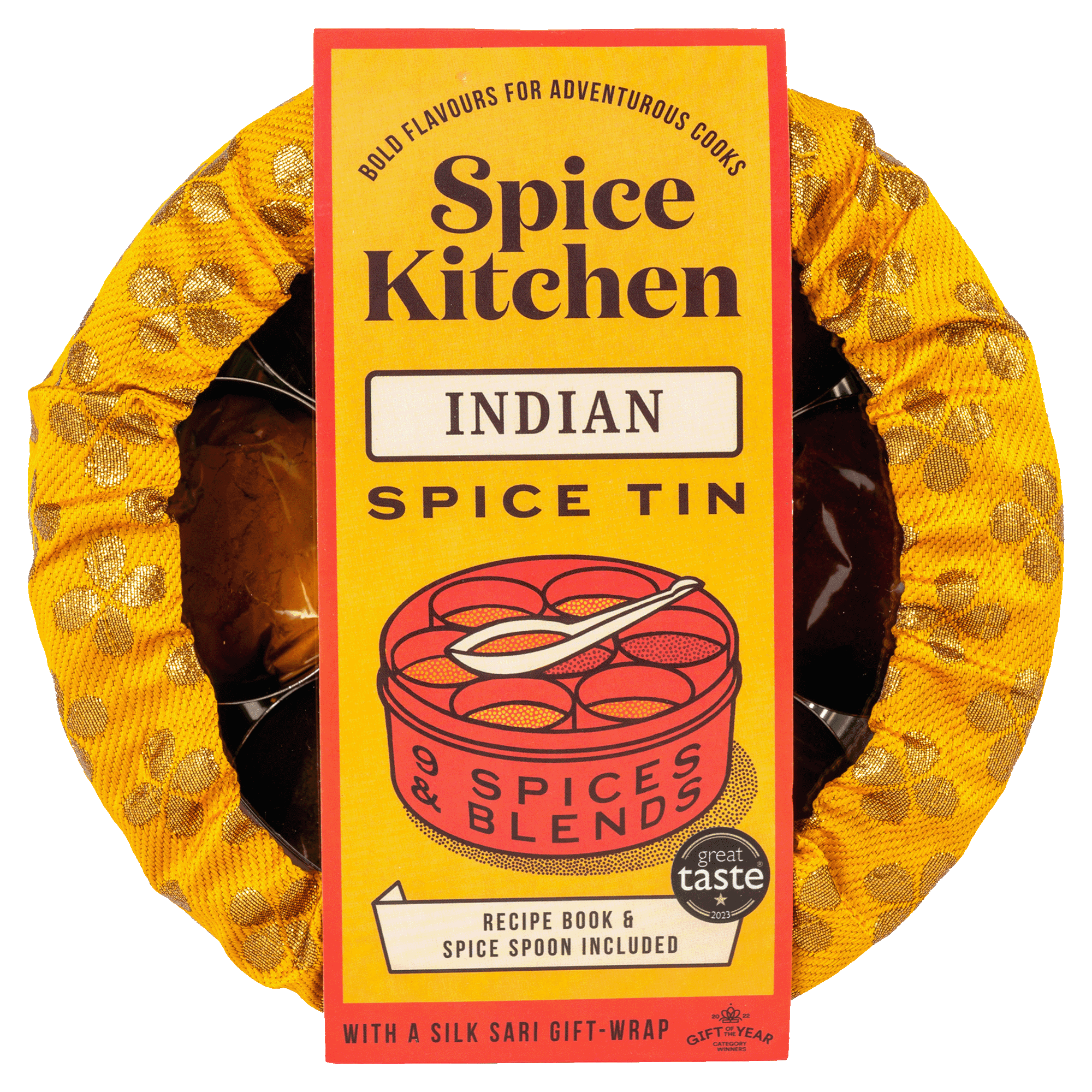
Affiliate partner · Awin
Spice Kitchen's Indian Spice Tin brings nine foundational spices and blends together with a spice spoon and mini recipe book. UK delivery is free on orders over £25.
View the Indian Spice Tin →Paid affiliate link · No extra cost to you
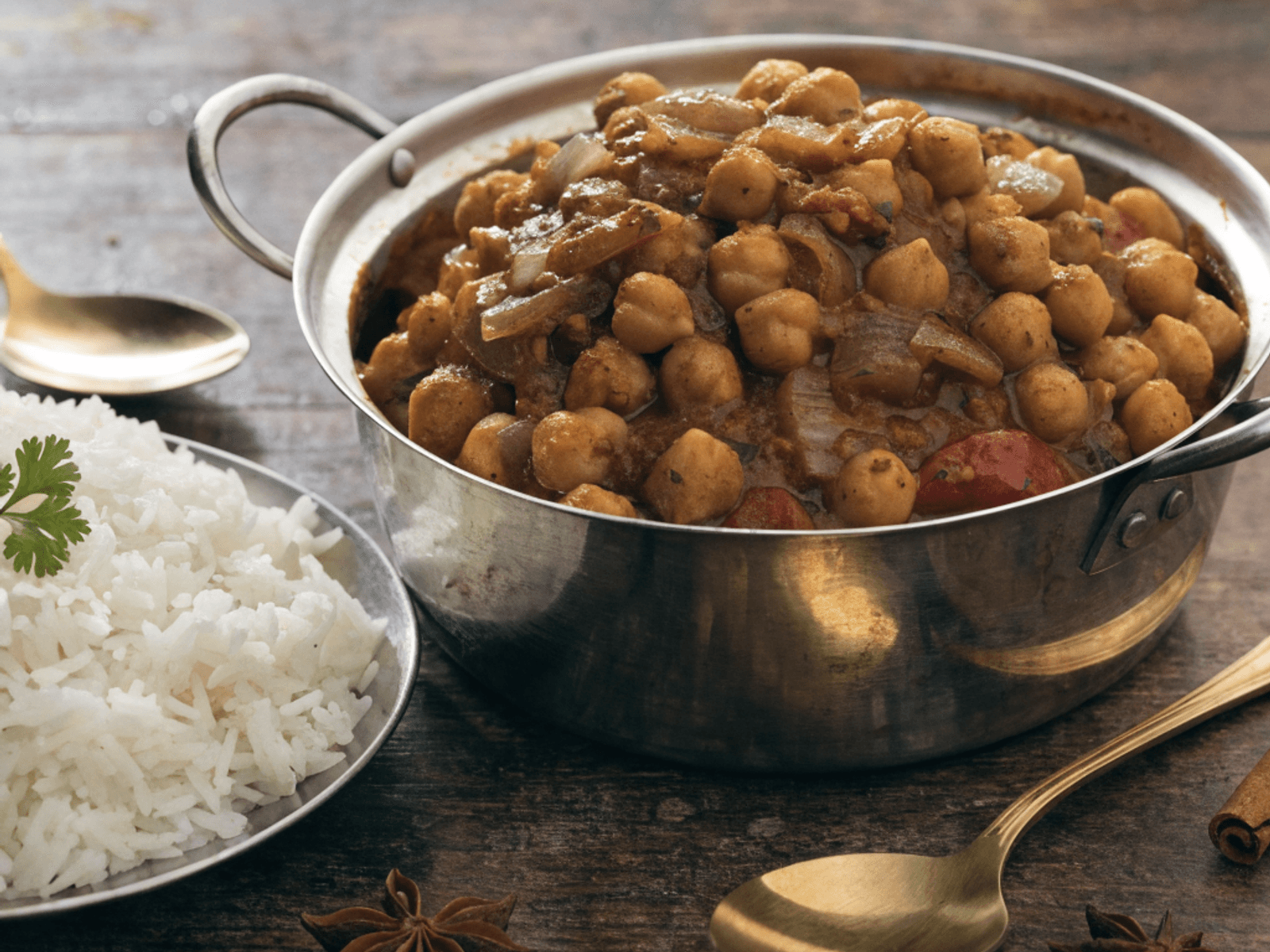
Chana masala is a deeply savoury chickpea curry built on browned onion, tomato and warming spices. A squeeze of lemon and fresh coriander lift the rich gravy just before it reaches the table.
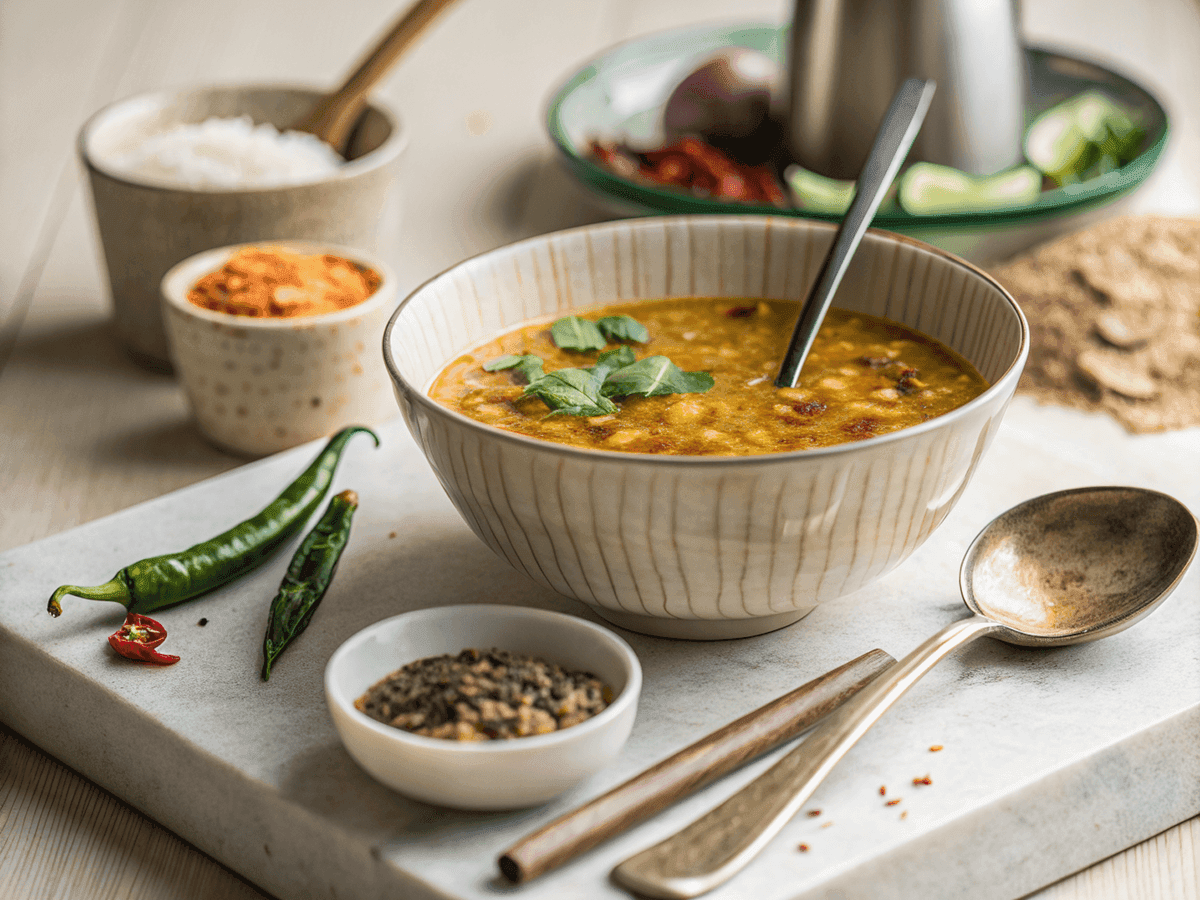
Chana dal simmered until creamy, then folded through a tomato, cumin and chilli tarka for a deeply comforting bowl.
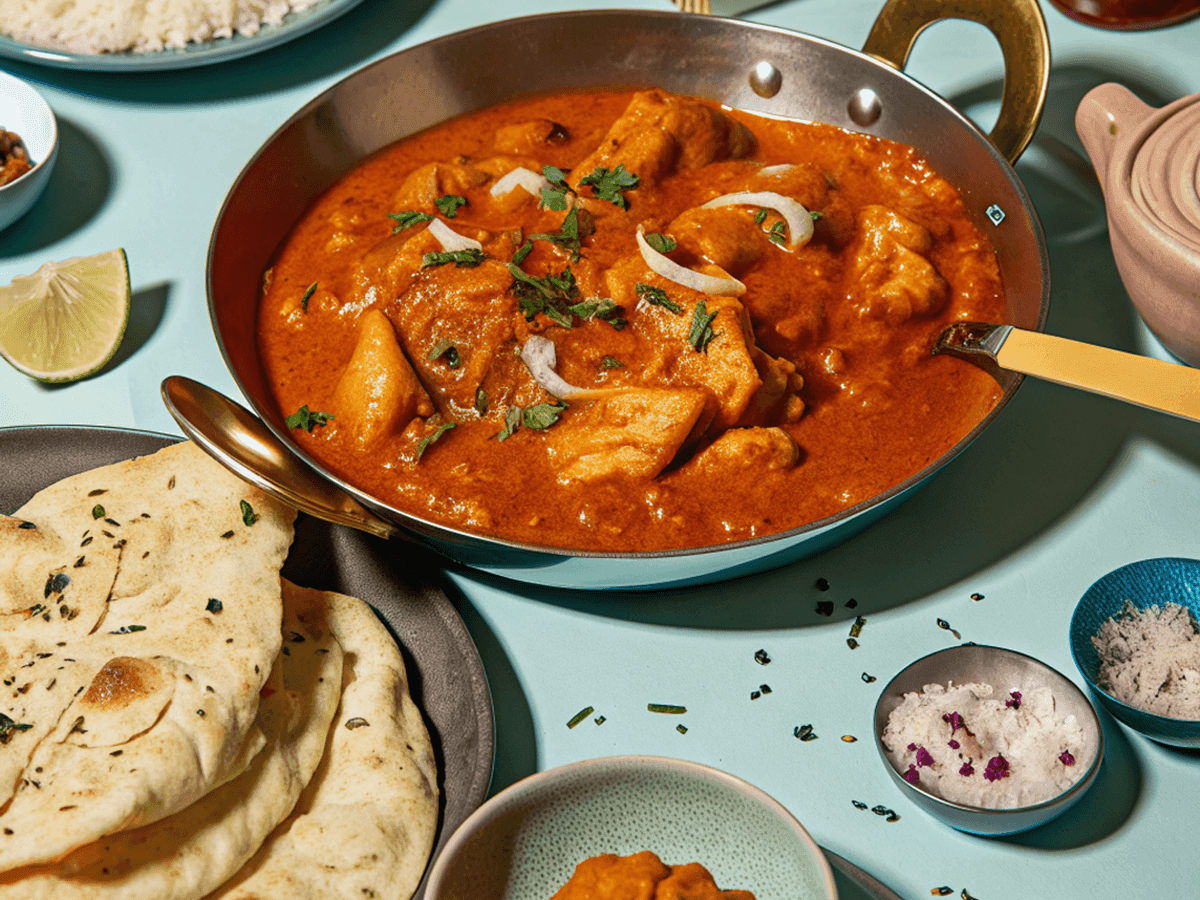
Plant-based chick’n simmers in a creamy tomato-coconut masala fragrant with cardamom, fenugreek, cumin and garam masala.
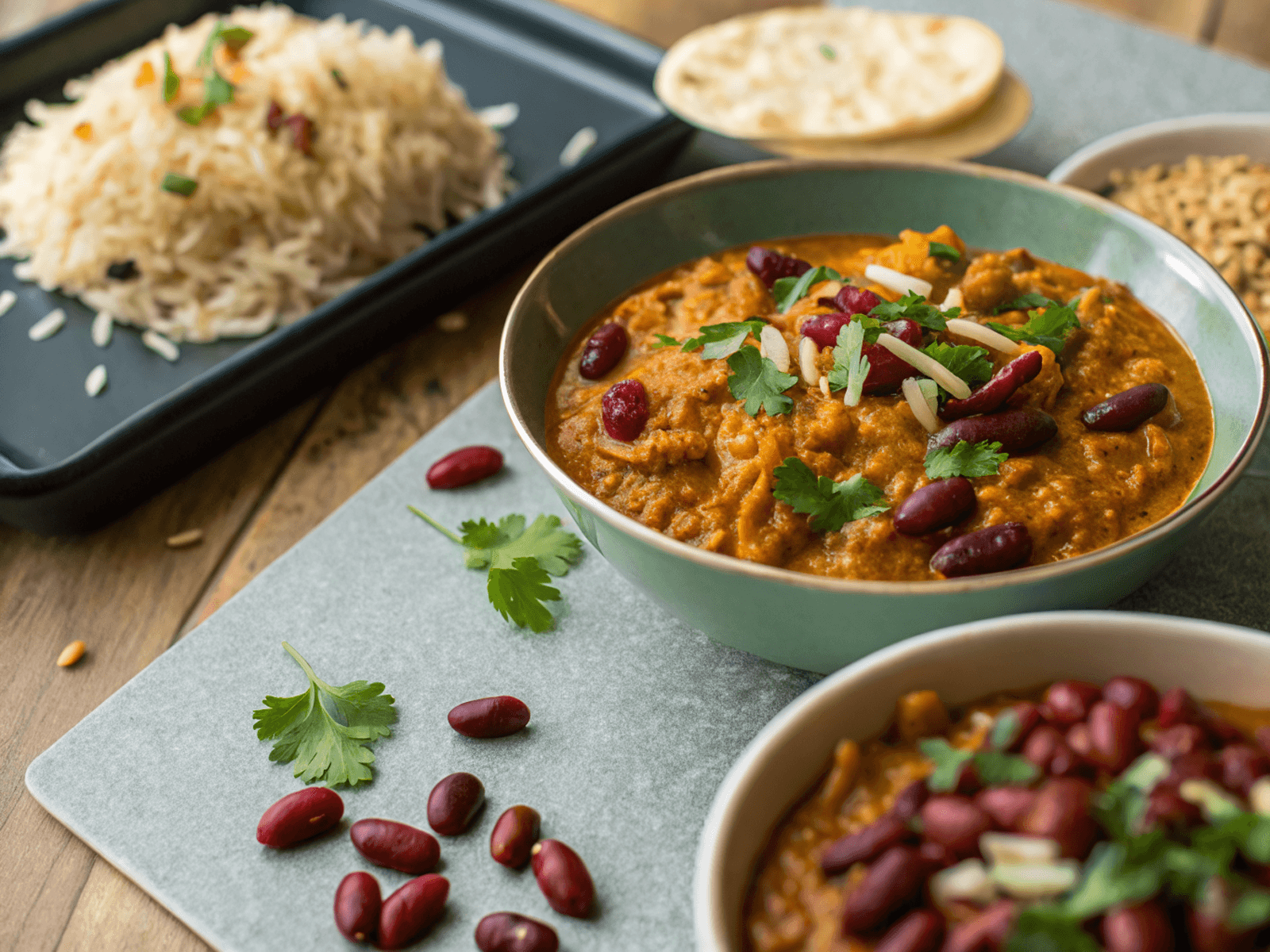
Earthy lentils and kidney beans simmer with coconut and warm spice in this substantial dal. It is creamy without feeling heavy and robust enough to anchor a simple supper.
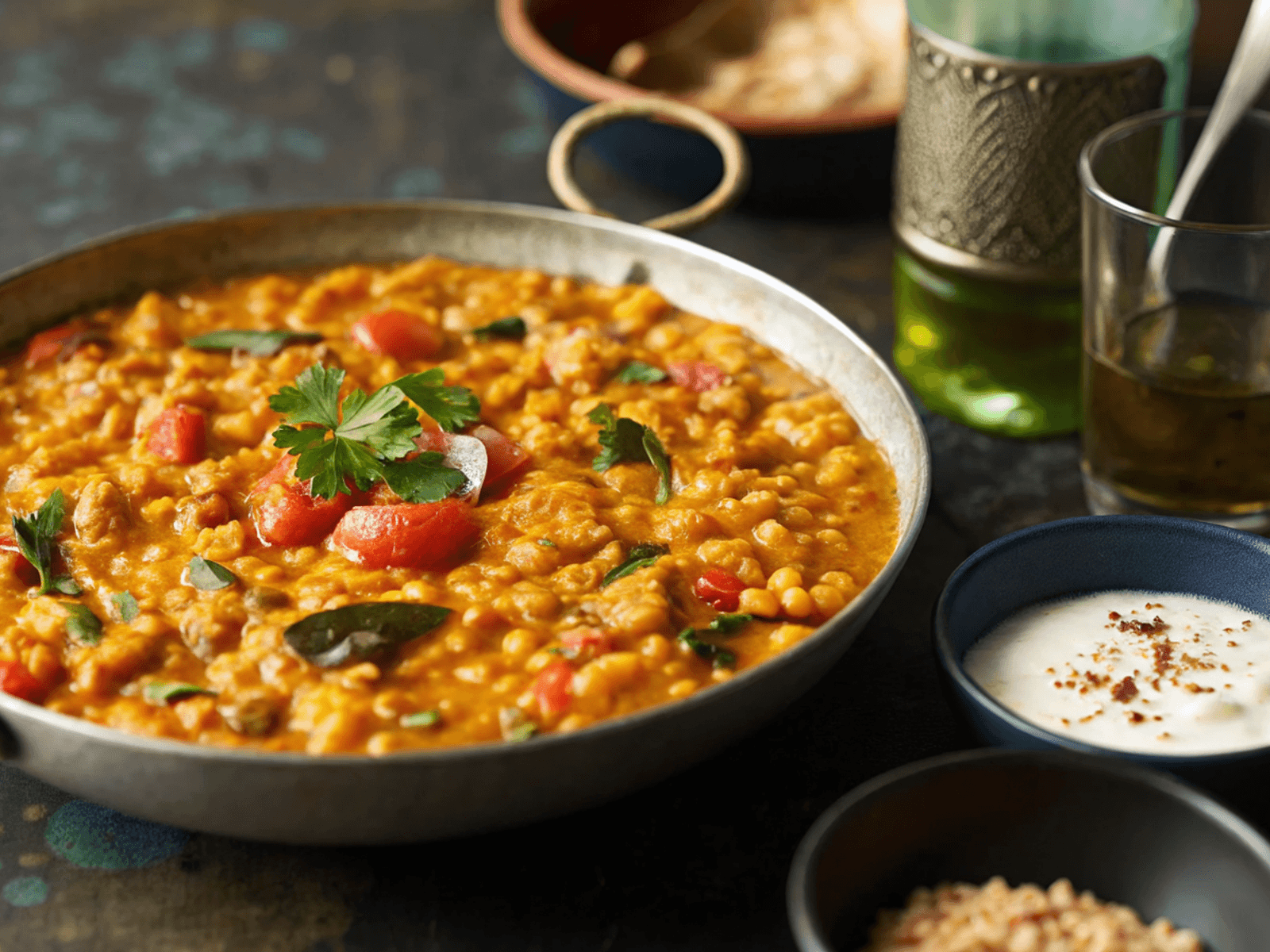
Yellow split peas, tomato and warm spices cook slowly into a thick, soothing dal. The hands-off method gives the lentils time to soften and the seasoning time to become beautifully settled.
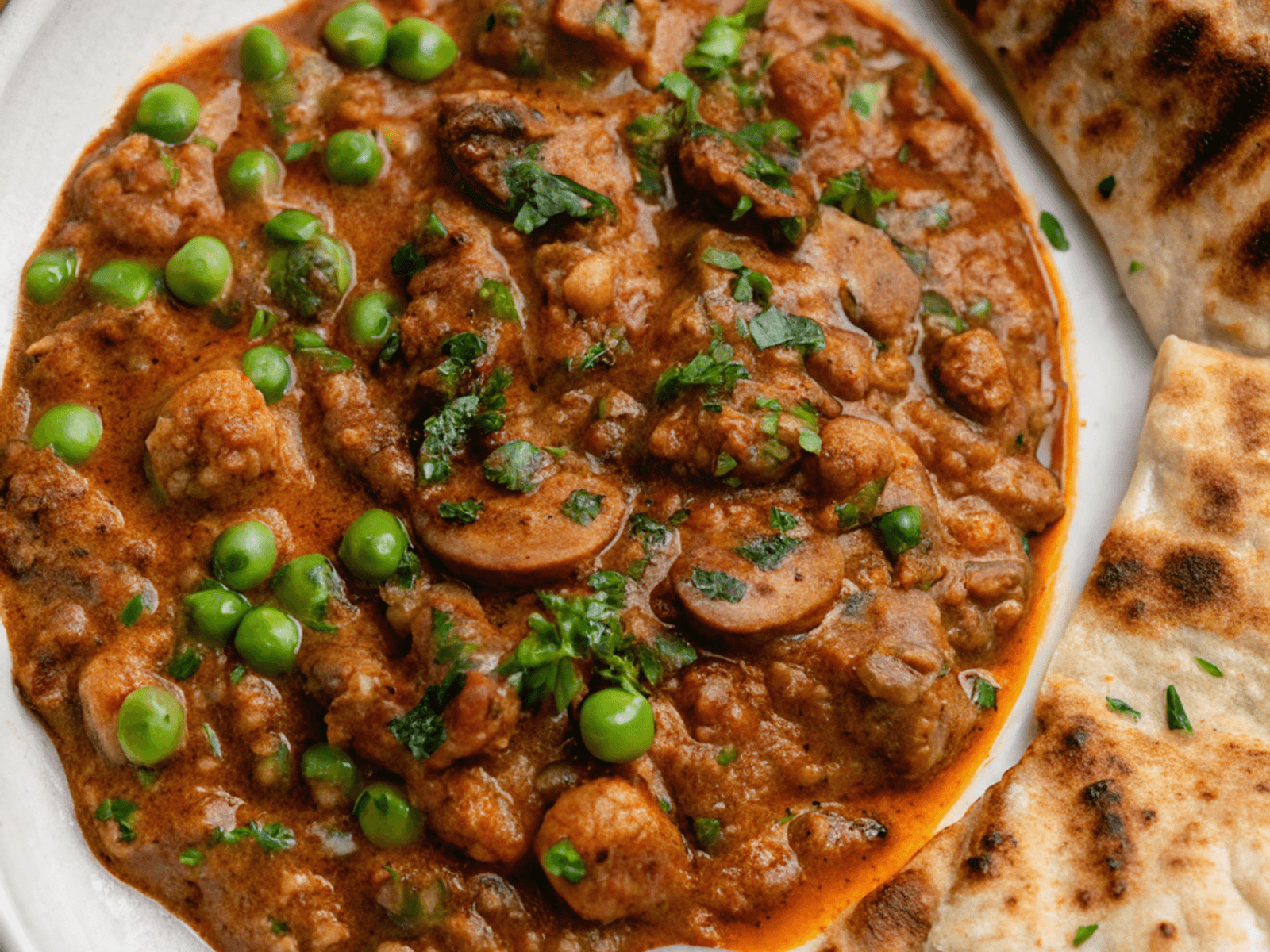
Browned mushrooms and sweet peas simmer in a smooth tomato-cashew masala in this homely mushroom matar. The gravy is creamy, the vegetables stay distinct and every bite is deeply savoury.