

Vegan Masala Recipe
Coconut dal with kidney beans
Earthy lentils and kidney beans simmer with coconut and warm spice in this substantial dal. It is creamy without feeling heavy and robust enough to anchor a simple supper.
Recipe by Craig LogueHow our recipes are created
Substantially updated 24 September 2026
From the kitchen
What to expect
The onion needs time here, so let it soften properly before the tomatoes go in. That gives the coconut and beans a fuller, rounder base.
Serving idea
Best served simply
Serve with steamed basmati rice, chapatis or naan, and a simple side of greens or cucumber salad.
Recipe-specific guidance
Why this method works
Tinned lentils and kidney beans make this a quick pantry dal, but the onion and tomato still need time to reduce before the coconut milk is added. A final uncovered simmer brings the beans and sauce together instead of leaving separate watery layers.
Cues to watch for
- •Cook the onion until soft and lightly golden before adding the curry powder.
- •The tomato should lose its raw smell and look thicker before the coconut milk goes in.
- •The finished dal should coat a spoon while the beans remain intact.
Useful substitutions
- •Any cooked brown or green lentil can replace the tinned brown lentils.
- •Black beans work in place of kidney beans but give a slightly earthier flavour.
- •Use light coconut milk for a looser dal and simmer longer if needed.
Storage and reheating
Refrigerate for up to three days or freeze for up to three months. Reheat gently with a splash of water and check the salt after the sauce loosens.
Cook the recipe
Method
- 1
Melt 37.5g of the vegan butter in a frying pan over low-medium heat. Add the onion, garlic and ginger paste, curry powder and chilli or cayenne, and cook for 6-8 minutes, stirring often, until the onion has softened and the spices smell cooked out.
- 2
Add the chopped tomatoes, coconut milk, a pinch of salt and plenty of black pepper. Bring to a boil, then lower the heat and simmer until the tomatoes have lost their raw edge and the sauce has started to thicken.
- 3
Stir in the lentils, kidney beans and remaining 37.5g vegan butter. Simmer gently for about 30 minutes, stirring now and then, until the dal is creamy and the beans are well coated.
- 4
Take the pan off the heat and leave the dal to sit for a few minutes before serving. Taste and adjust the seasoning if needed, add a splash of water if it has thickened too much, and garnish with fresh coriander if using.
A few useful notes
Notes
- This dal thickens as it stands, so loosen it with a little hot water when reheating if needed. Reheat gently on the hob rather than boiling hard, which can split the coconut milk.
- It keeps well in the fridge for up to 4 days and often tastes even better the next day after the lentils and beans have had time to settle into the masala.
- For a smoother finish, mash a spoonful or two of the lentils against the side of the pan near the end of cooking. A little fresh coriander on top is enough if you want it.
Gather everything first
Ingredients
- 1 very large onion, finely chopped, or 200g/7oz frozen diced onion
- 2 tbsp garlic and ginger paste, or 1 tbsp garlic paste and 1 tbsp ginger paste
- 2 tbsp medium curry powder
- pinch of chilli or cayenne pepper (optional)
- 75g/2½oz vegan butter, divided
- 400g tin chopped tomatoes
- 400g tin full-fat coconut milk
- 400g tin brown lentils, rinsed and drained
- 400g tin kidney beans, rinsed and drained
- 1 tsp salt
- 2 tbsp fresh coriander, chopped
Topic hub
Explore Vegan Indian Curry Recipes
Browse the curated curry hub for related chickpea, dal, potato, tofu and vegetable recipes in one place.
Visit the curry hubTopic hub
Explore Vegan Indian Dal Recipes
Browse the dal hub for classic dal recipes, lentil curries, and bean-based Indian curries in one place.
Visit the dal hubCook next
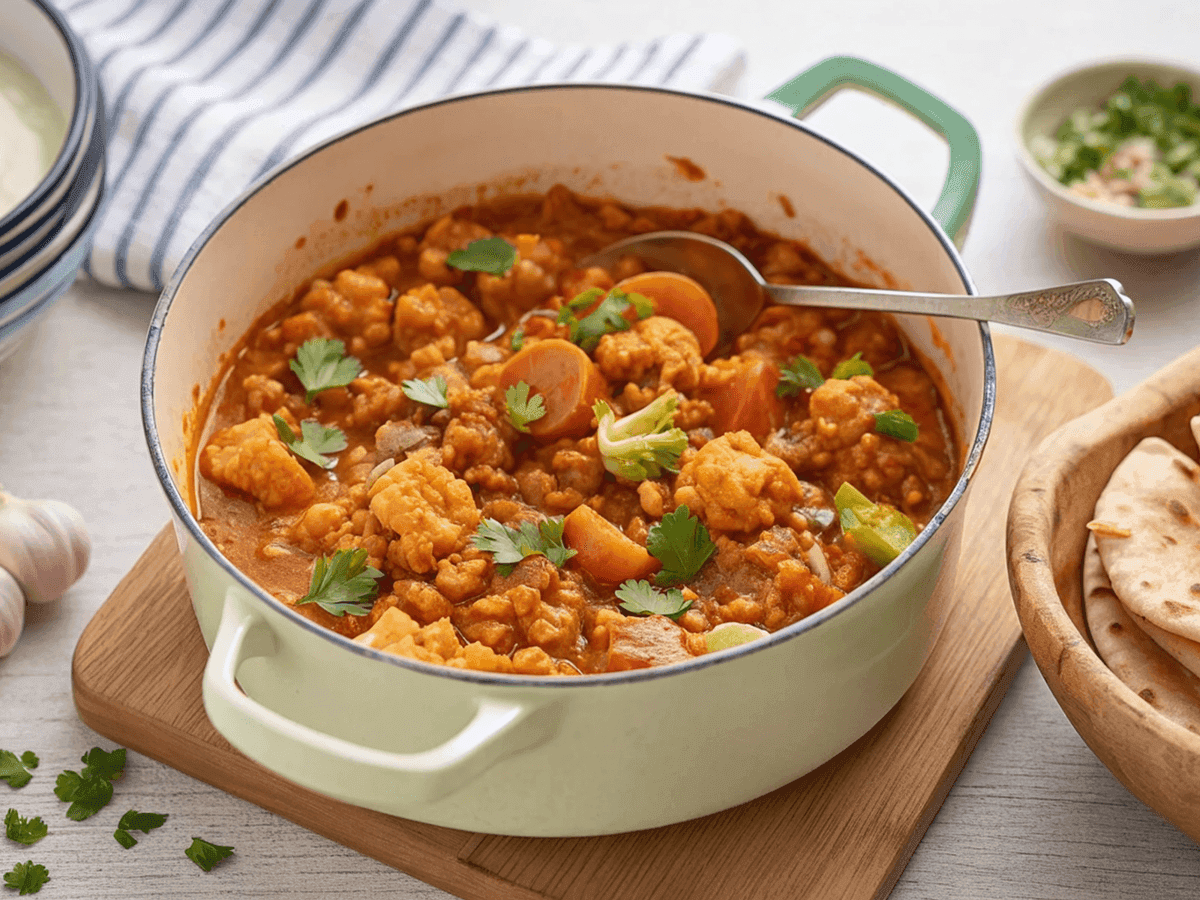
Learn the technique
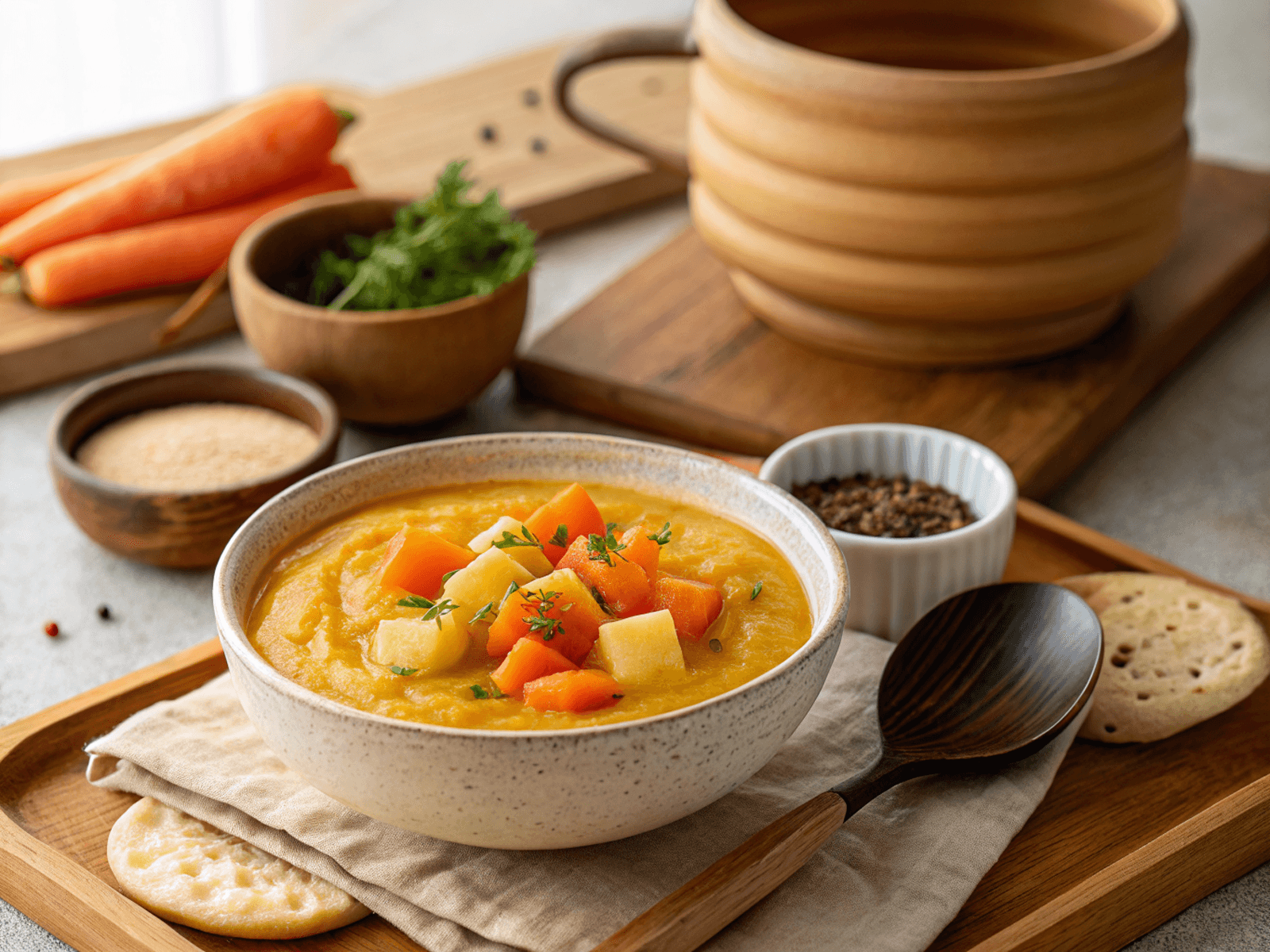
A UK Seasonal Vegetable Guide for Indian Cooking
A practical guide to choosing, storing and cooking seasonal UK vegetables with Indian spices throughout the year.
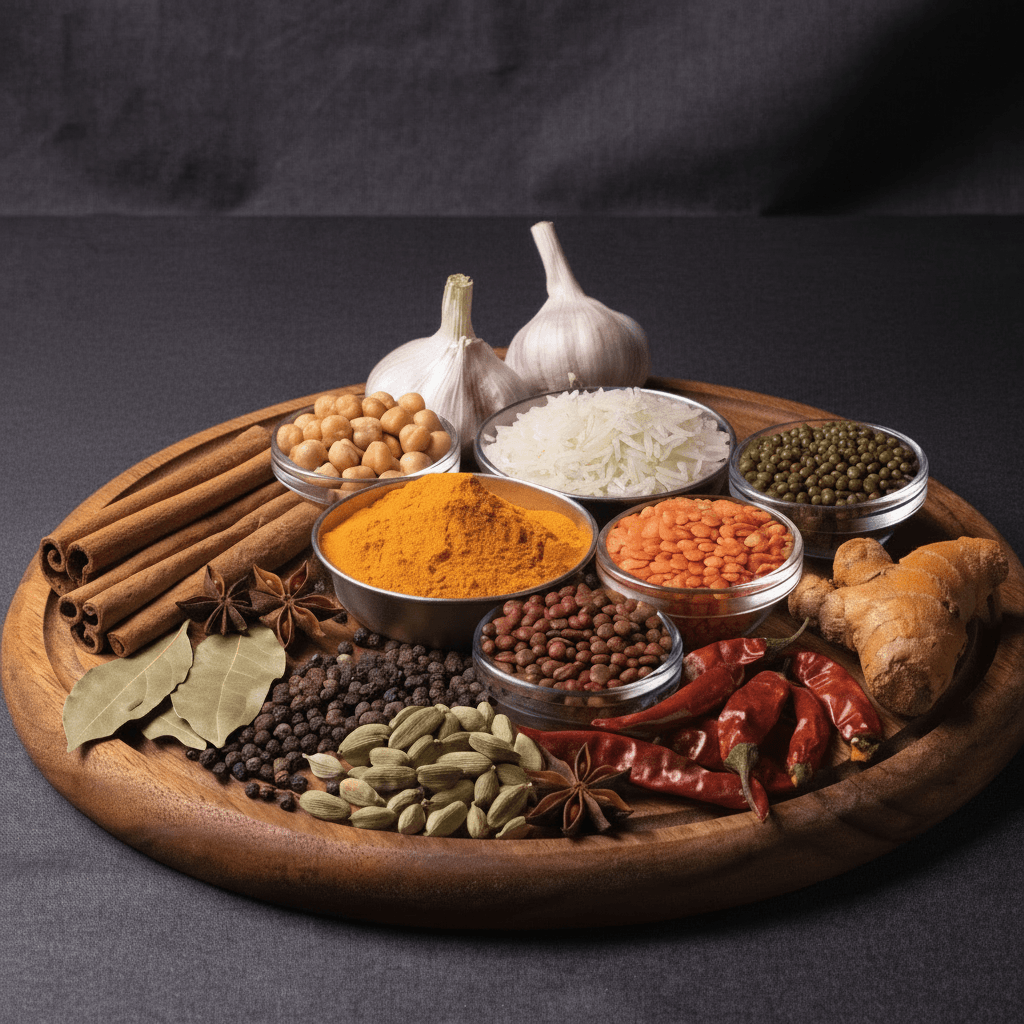
Essential Vegan Indian Pantry Staples
The core spices, lentils, beans, grains, and aromatics worth keeping on hand for everyday vegan Indian cooking.

How to Build a Curry Base
Learn the simple method behind most Indian curries by mastering the classic onion, tomato and spice base.