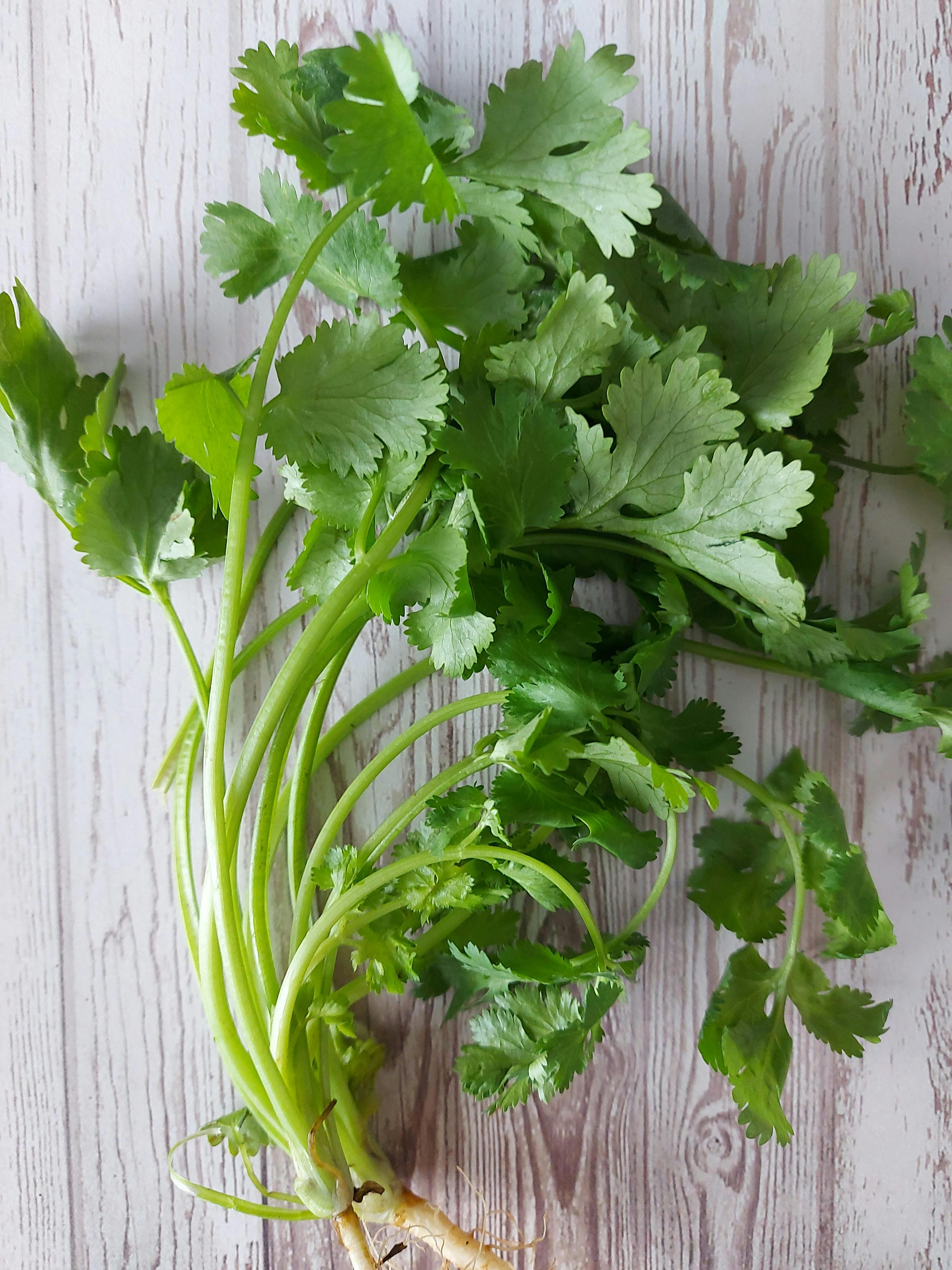
Coriander (Cilantro)
Fresh, citrusy lift for curries, dals, chaats, and chutneys.
Tip: Add at the end for brightness; stems are flavourful too.
LimeGreen chilliCuminMint

Plant-based Indian recipes, made authentically
vegan-masala.com
information@vegan-masala.com
Guides
Herbs add freshness, lift, and complexity. Here’s what each herb brings, how to use it, and what it pairs well with.
Most fresh herbs are best added at the end (or as garnish) so they stay bright and aromatic.
Crush dried fenugreek leaves between your palms before adding — it releases the oils.
Wrap coriander/mint in paper towel, store in a container in the fridge. Freeze curry leaves.
Fresh, citrusy lift for curries, dals, chaats, and chutneys.
Tip: Add at the end for brightness; stems are flavourful too.
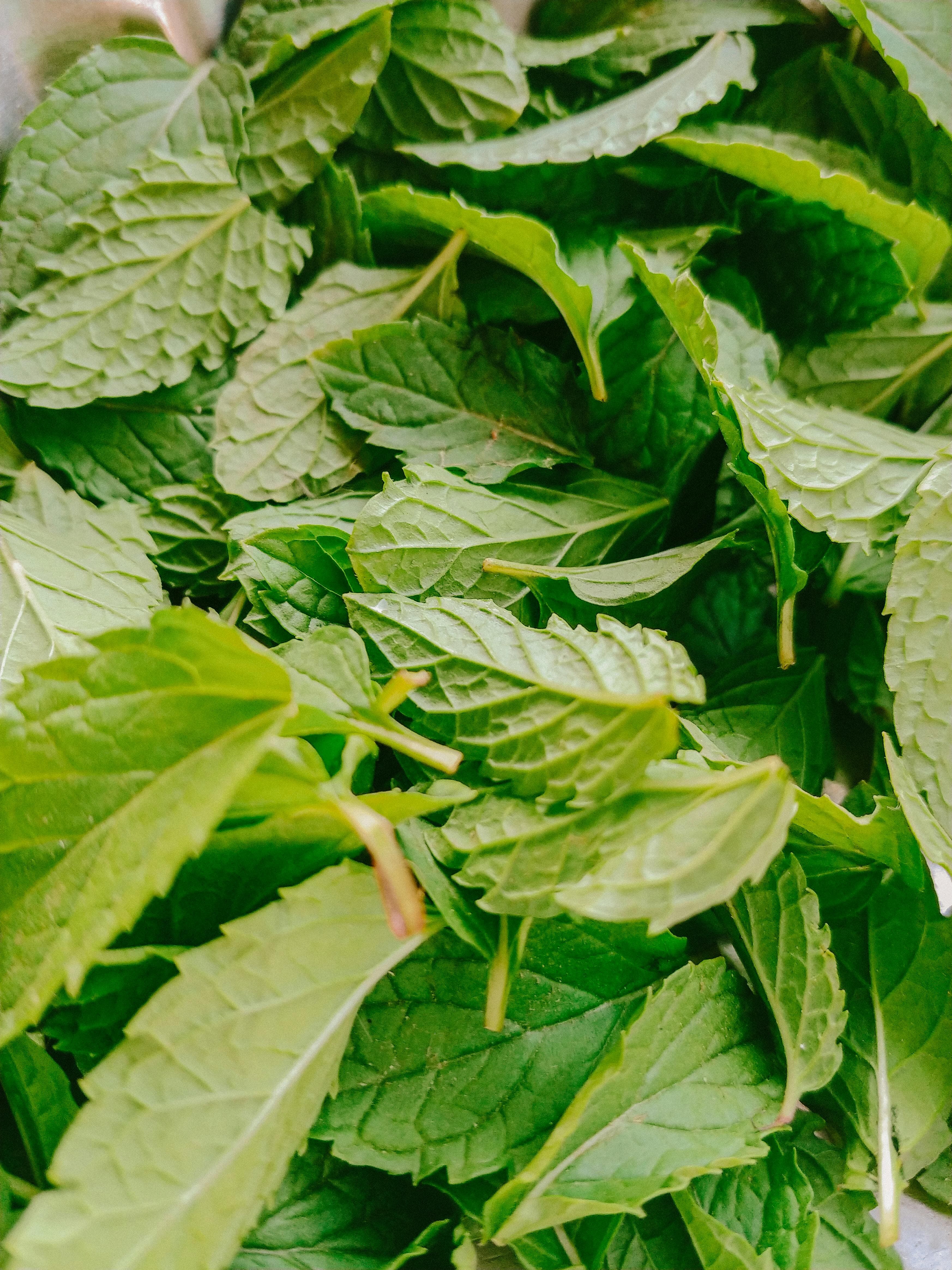
Cooling, sweet herb for chutneys, vegan raita-style dips, and drinks.
Tip: Bruise lightly to release aroma; avoid long cooking (can turn bitter).
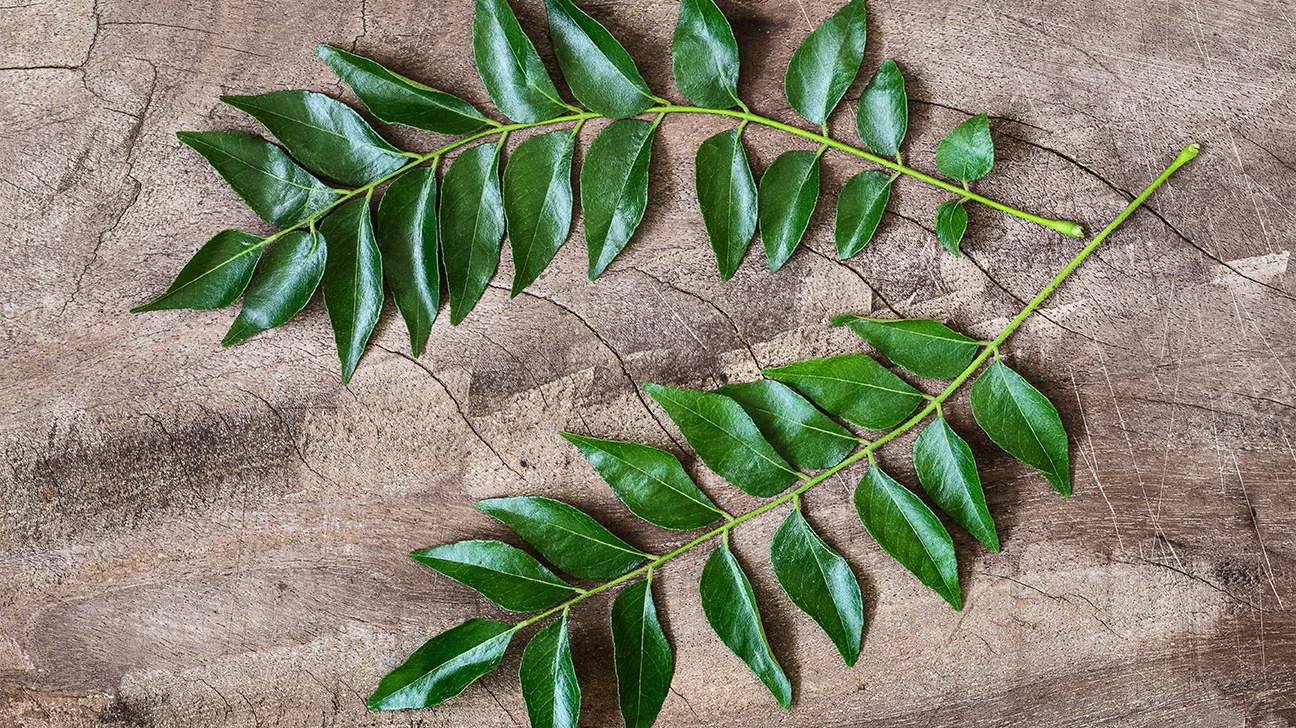
Toasty, aromatic leaf used in tempering (tadka) for South Indian dishes.
Tip: Fry in oil until crackly; dried works but fresh is best.
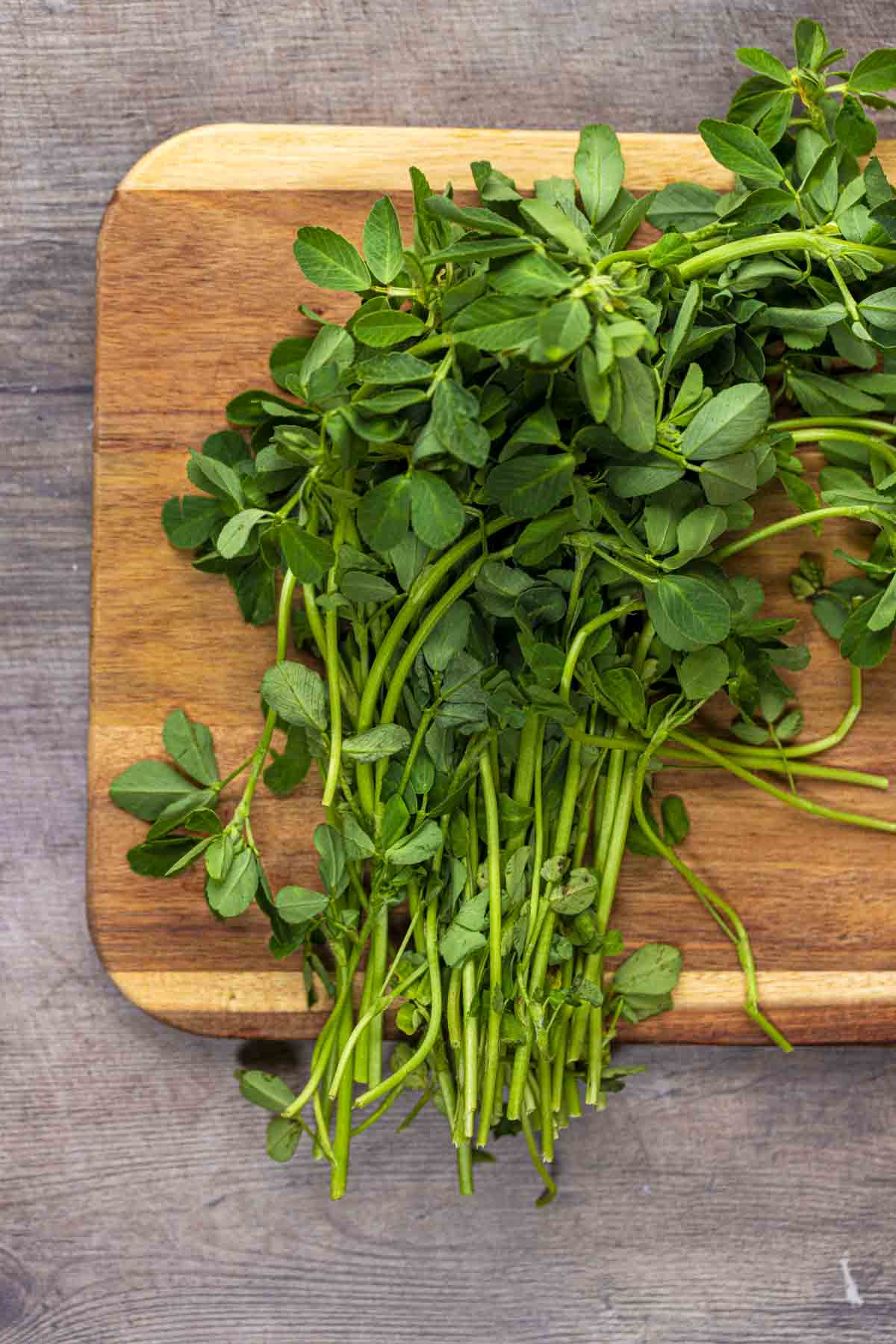
Aromatic, slightly bitter herb that makes curries taste ‘restaurant style’.
Tip: Crush dried kasuri methi between palms and add near the end.
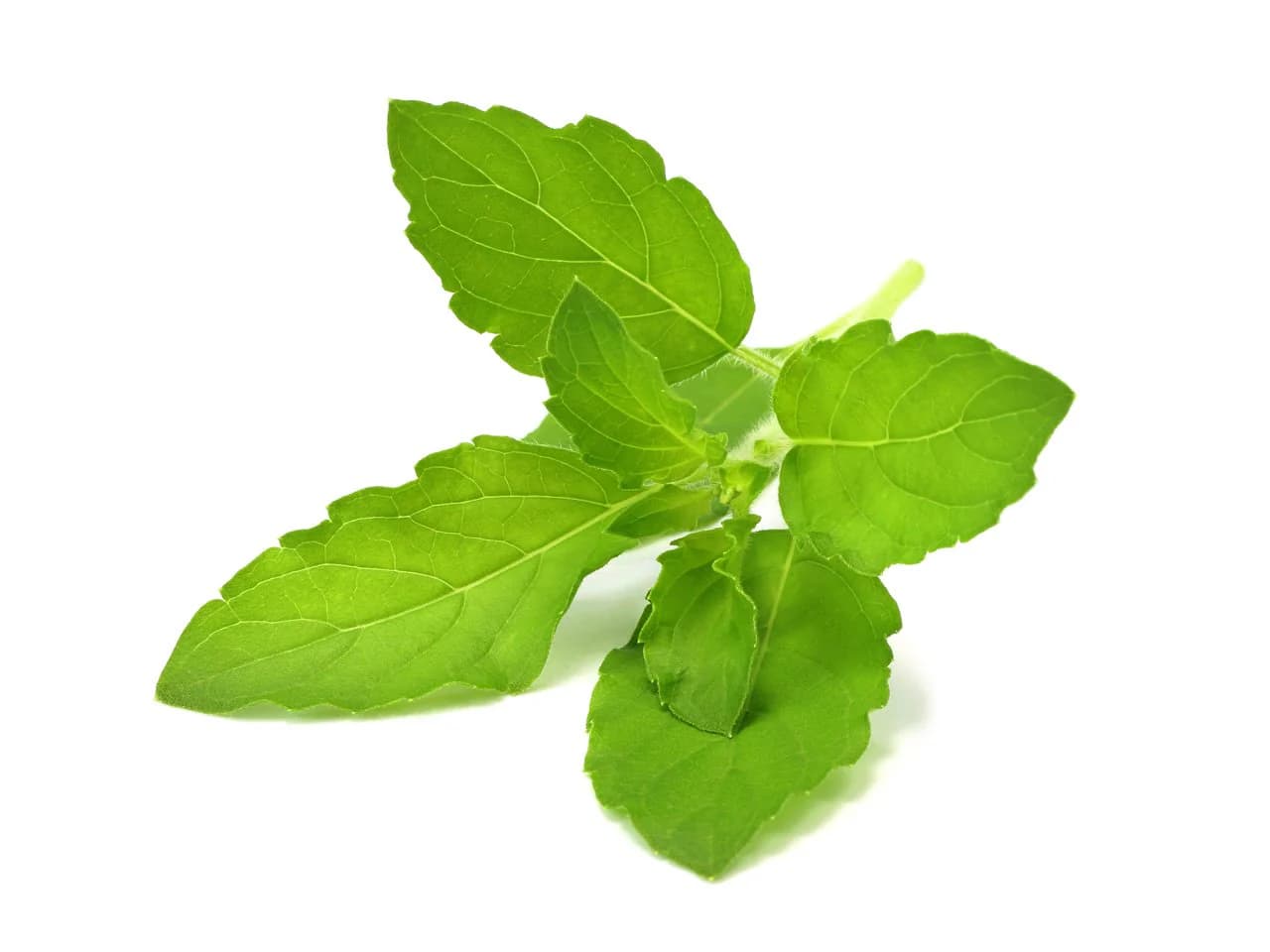
Peppery, clove-like basil used mostly in teas and some regional cooking.
Tip: Use fresh for tea; if cooking, add late to preserve aroma.
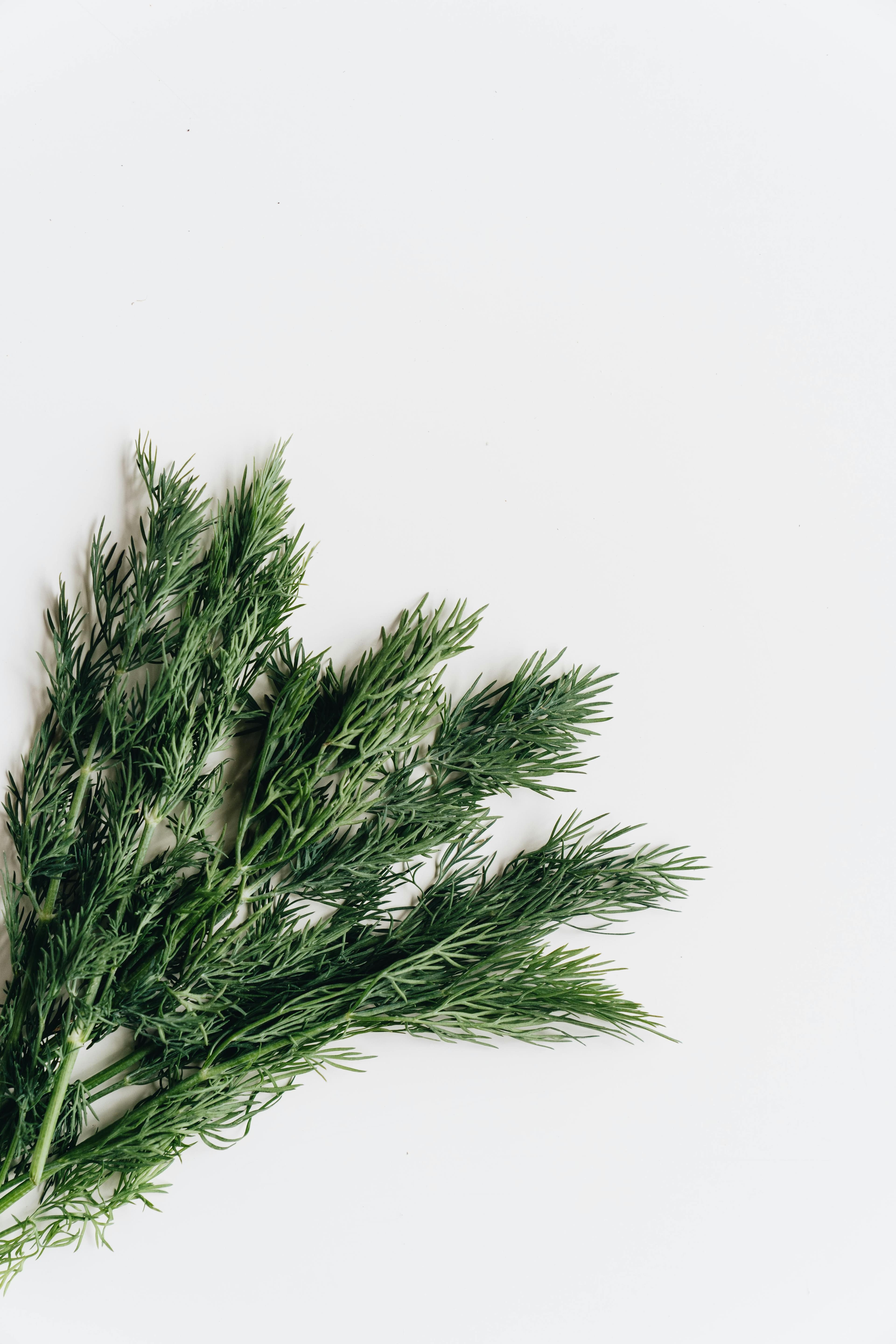
Fragrant herb used in some regional dals and vegetable dishes.
Tip: A little goes a long way; add near the end.
Spices provide the backbone; herbs provide the lift. Combine both for “wow” flavour.