Vegan Masala recommends
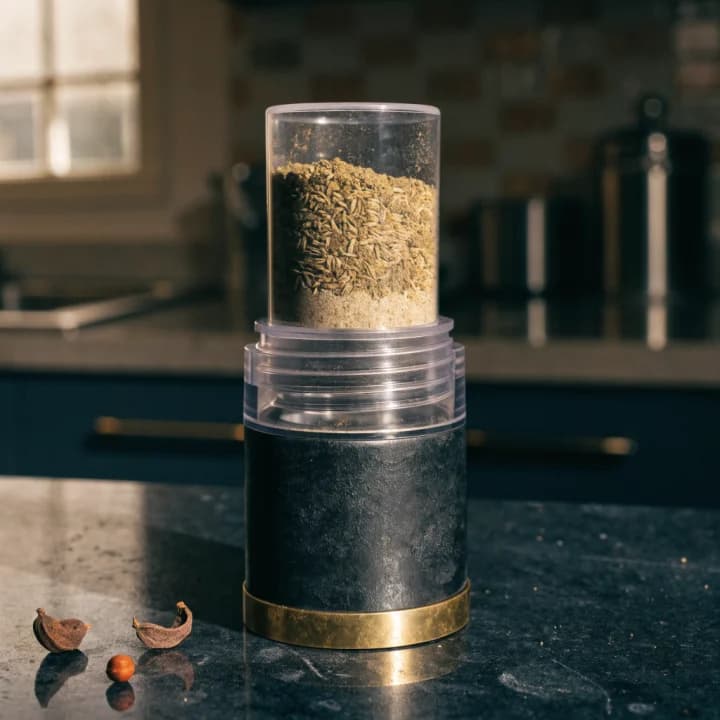
KRUPS Coffee Grinder and Spice Mill, 200W
Freshly grinding toasted cumin, coriander and pepper gives beginner masalas a brighter aroma.
View on Amazon UK
Paid affiliate link · No extra cost to you

Plant-based Indian recipes, made authentically
vegan-masala.com
information@vegan-masala.com
A practical, beginner-friendly guide to the spices that make vegan Indian food taste authentic — what they do, where they shine, and what to use if you’re missing one.
Helpful kitchen picks
These optional shopping links are selected for the guide above. We may earn a commission from qualifying purchases at no extra cost to you.
Vegan Masala recommends
Freshly grinding toasted cumin, coriander and pepper gives beginner masalas a brighter aroma.
Paid affiliate link · No extra cost to you
Vegan Masala recommends
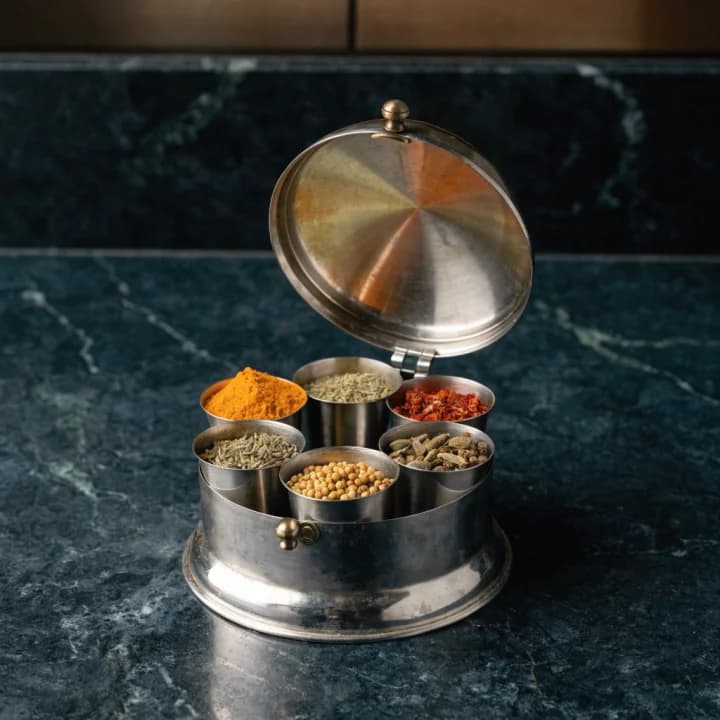
Keeps core everyday spices visible and accessible while you learn how to combine them.
Paid affiliate link · No extra cost to you

Affiliate partner
Explore vegan herbs and spices while building a useful beginner Indian spice collection.
Visit Ethical Superstore →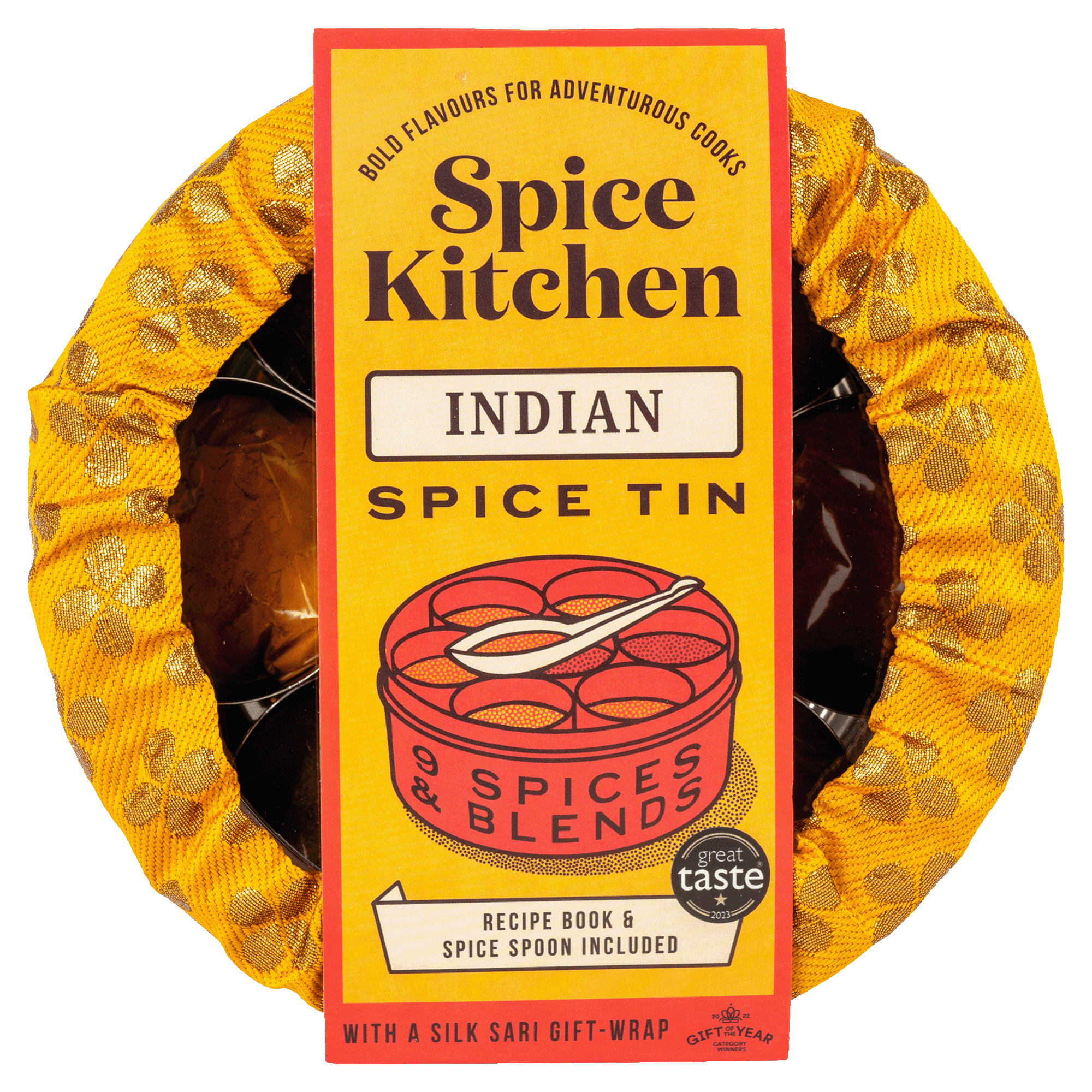
Affiliate partner · Awin
Spice Kitchen's Indian Spice Tin brings nine foundational spices and blends together with a spice spoon and mini recipe book. UK delivery is free on orders over £25.
View the Indian Spice Tin →Paid affiliate link · No extra cost to you
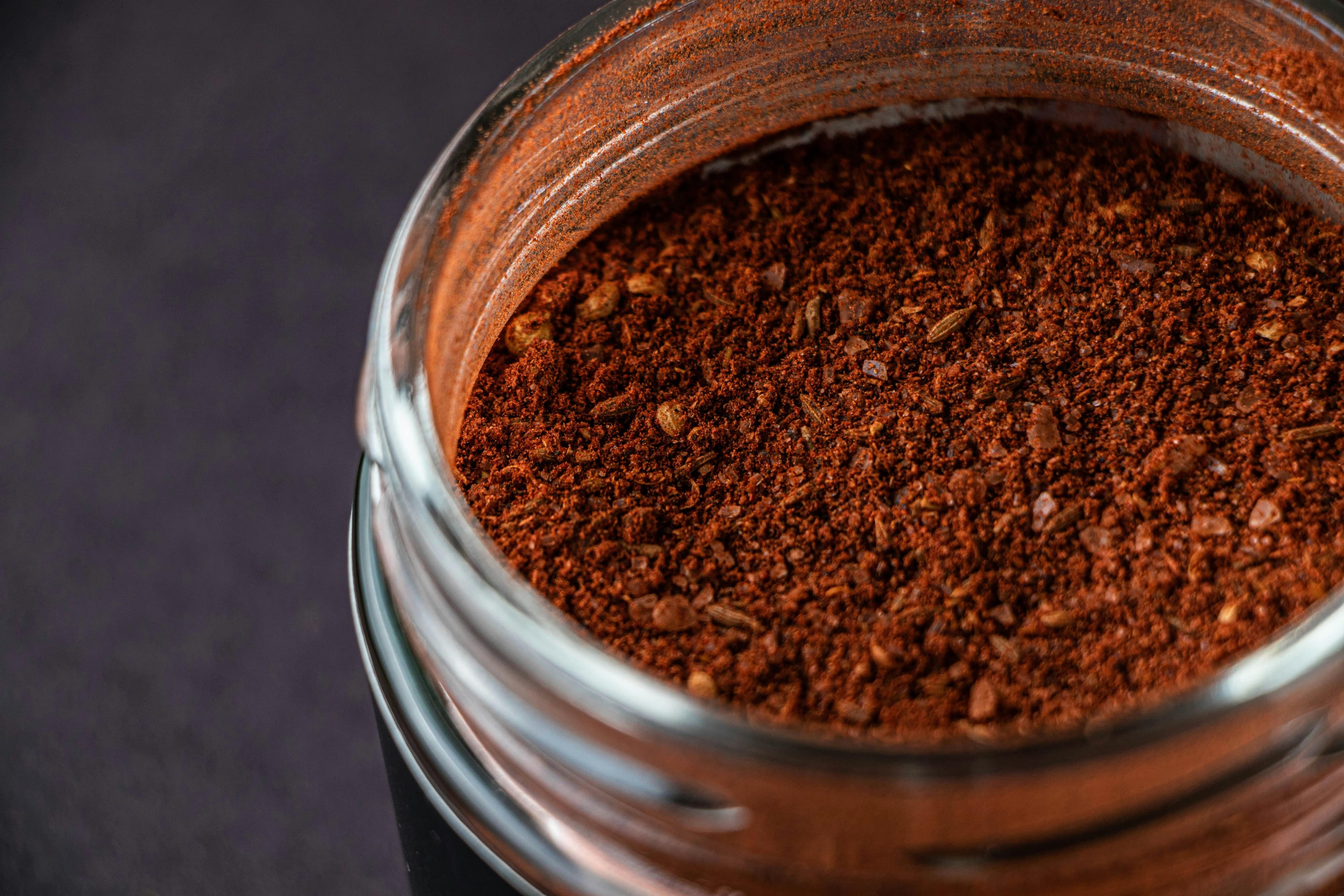
Adds heat and colour. Strength varies a lot (mild Kashmiri vs hot blends), so start small and adjust.
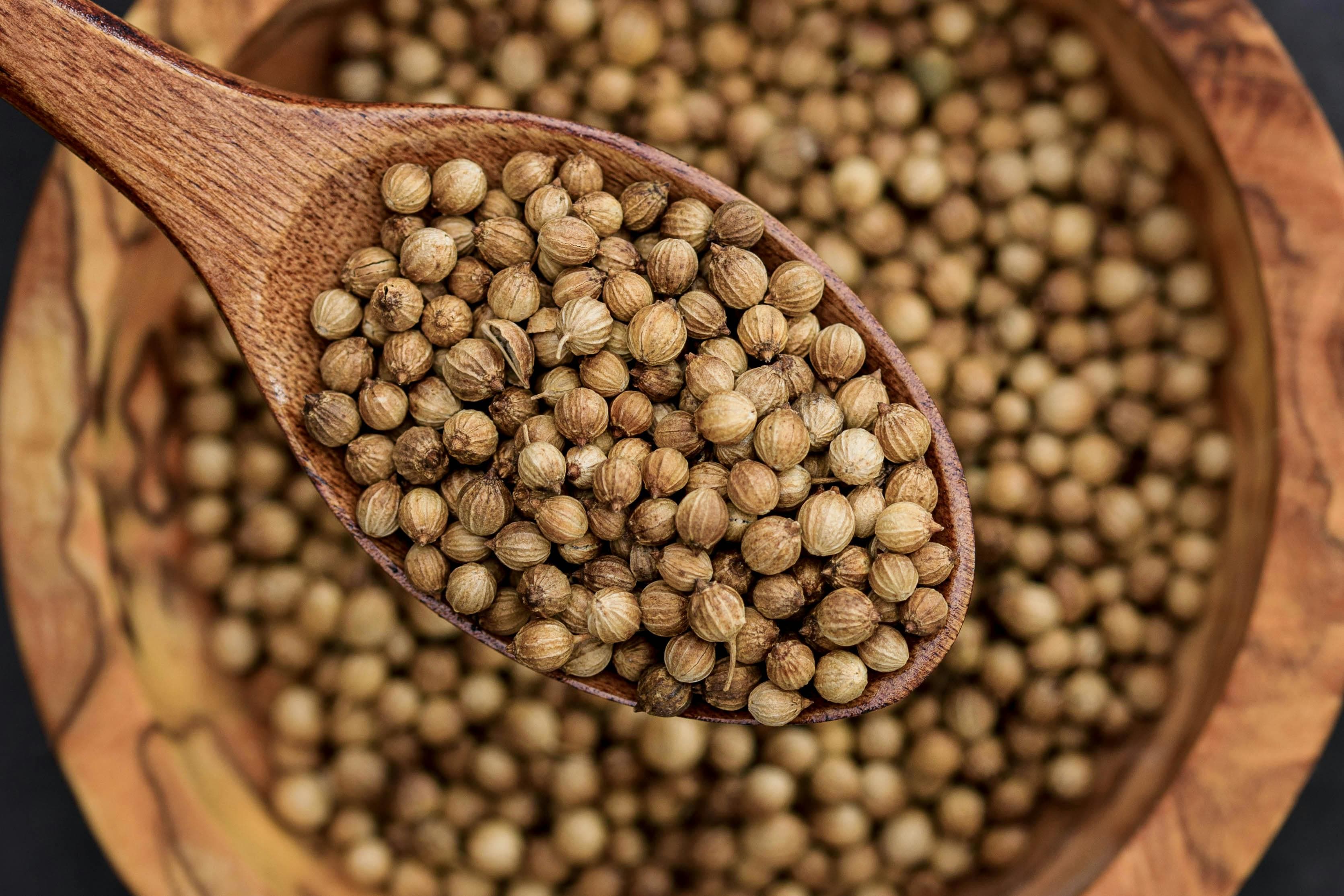
Warm, citrusy and gently sweet. Toasting and grinding fresh makes a big difference.
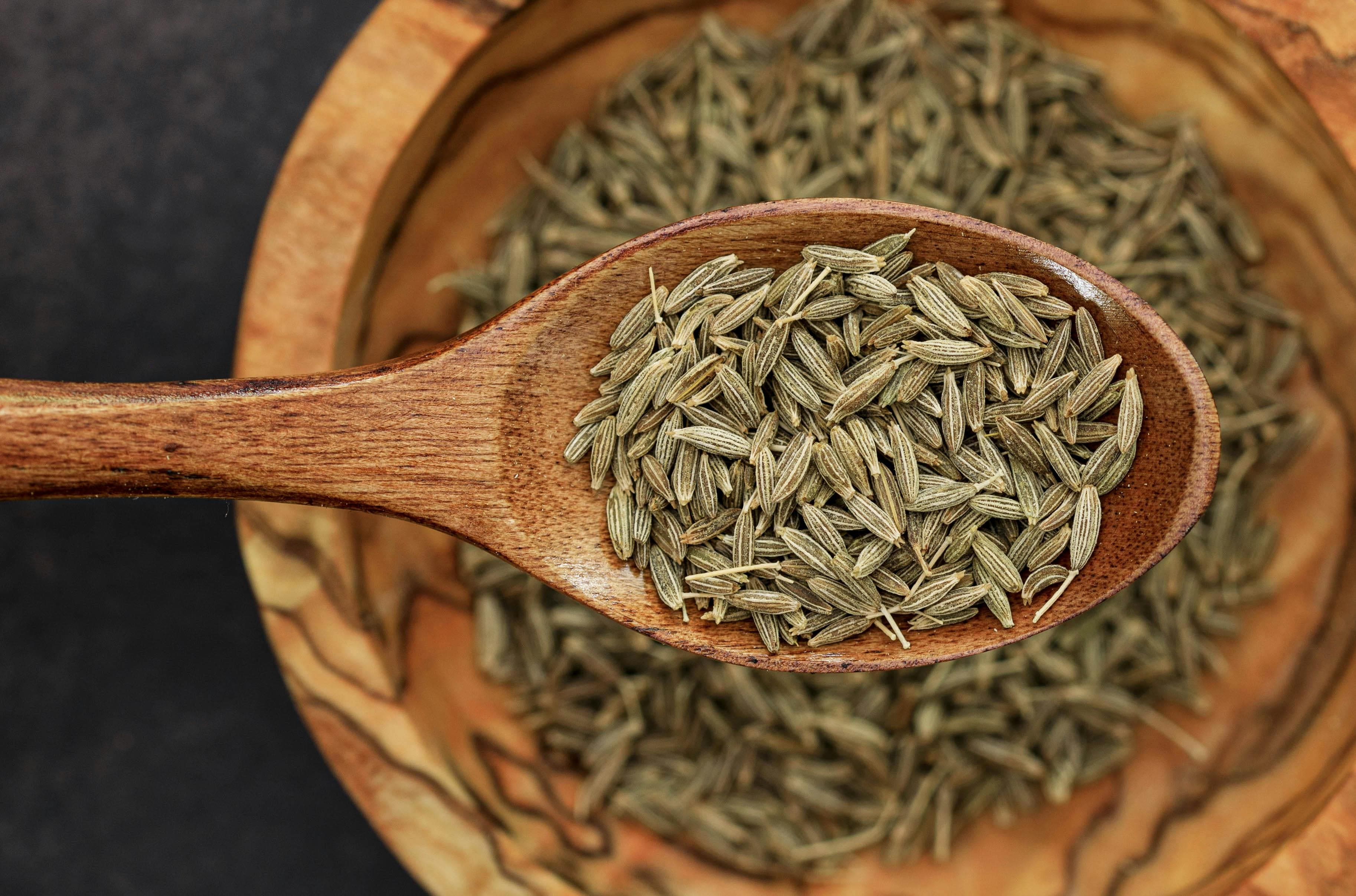
Earthy, deep and essential. Often bloomed in hot oil to start a dish (tadka).
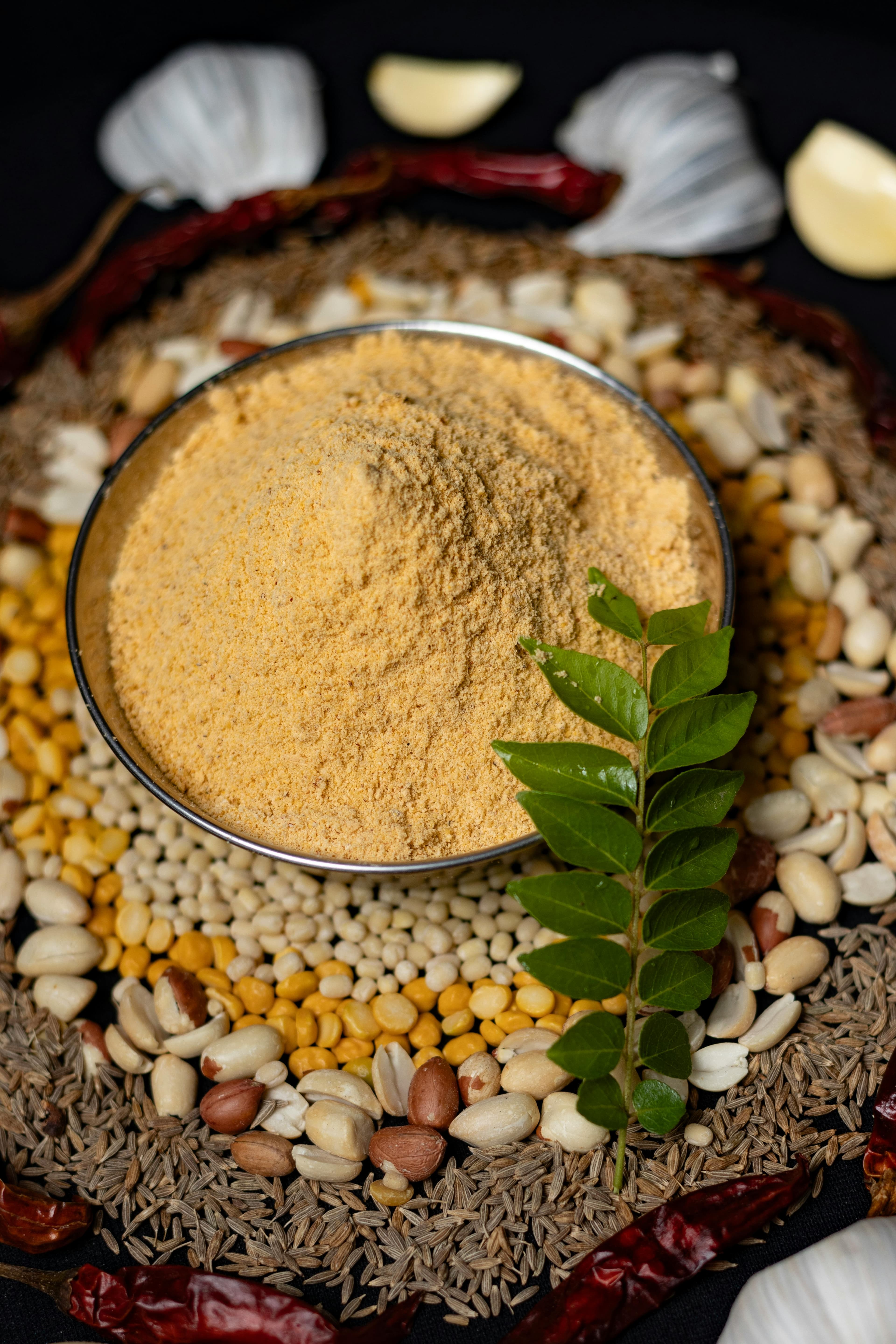
Distinct citrus-nut aroma. A small handful transforms dals and South Indian-style dishes.
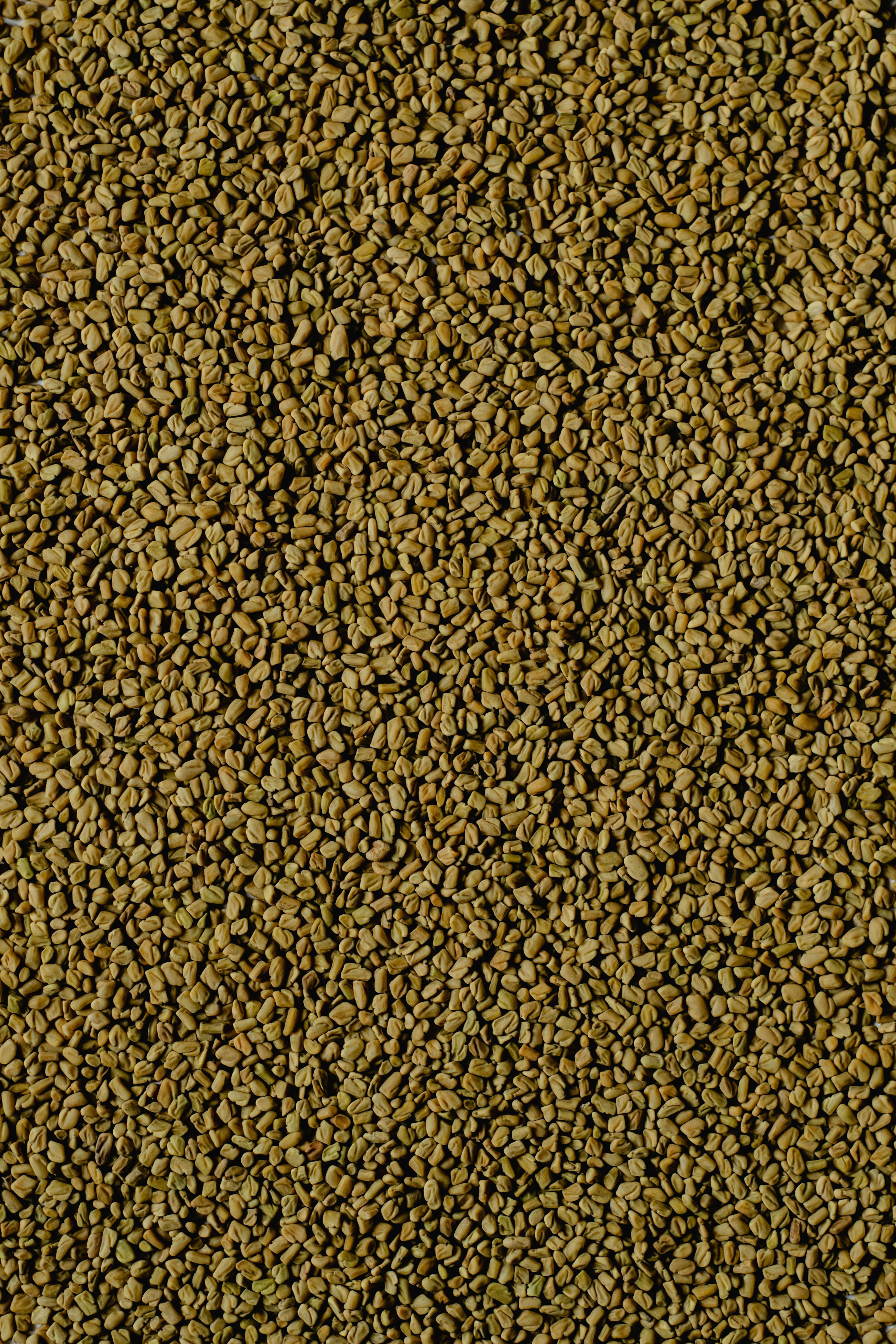
Bitter-sweet and powerful. Used sparingly, it adds depth and complexity.
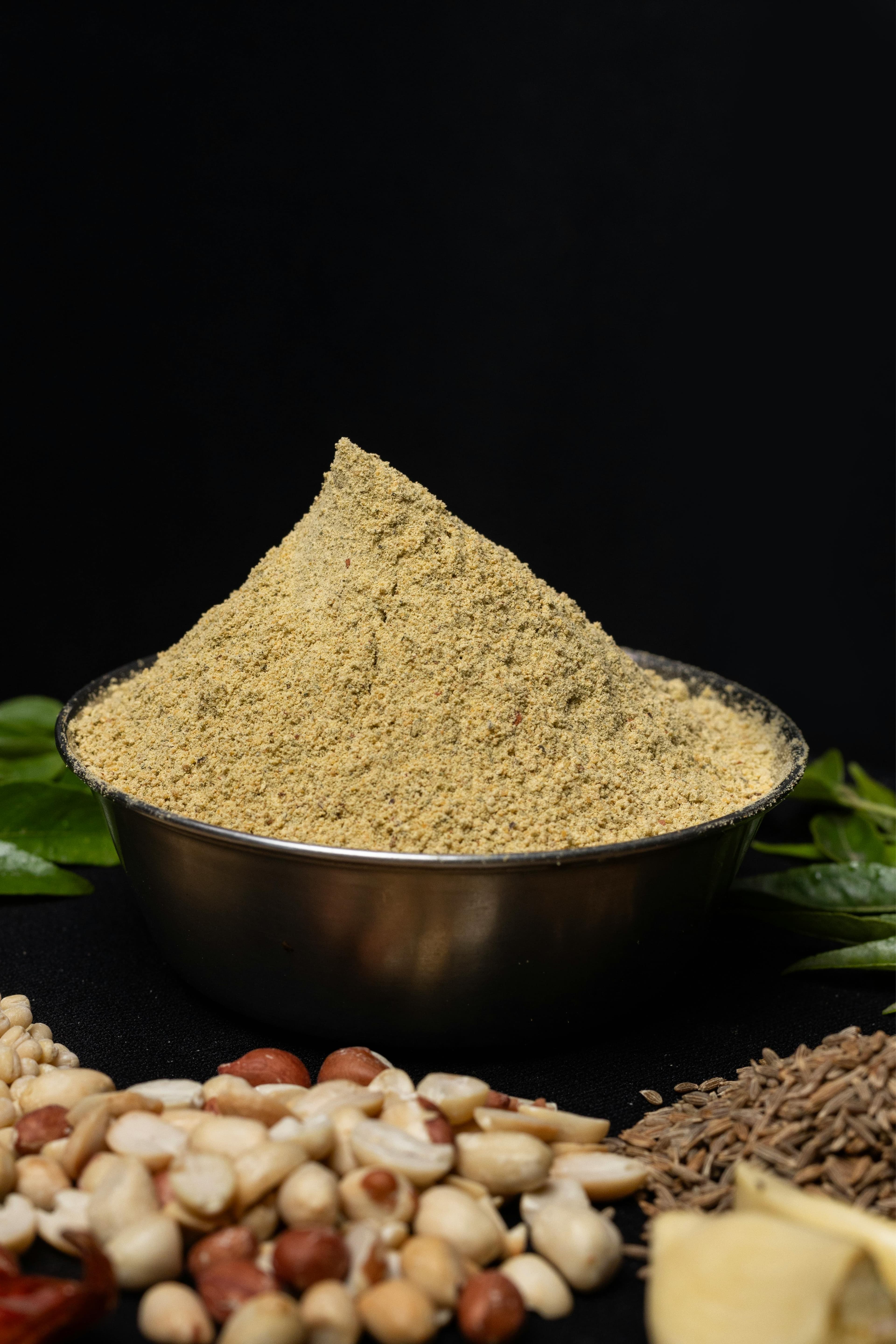
A warming blend that varies by region and family. Usually added at the end for fragrance.

Strong raw aroma that mellows into savoury onion-garlic depth when cooked. Great for vegan cooking.
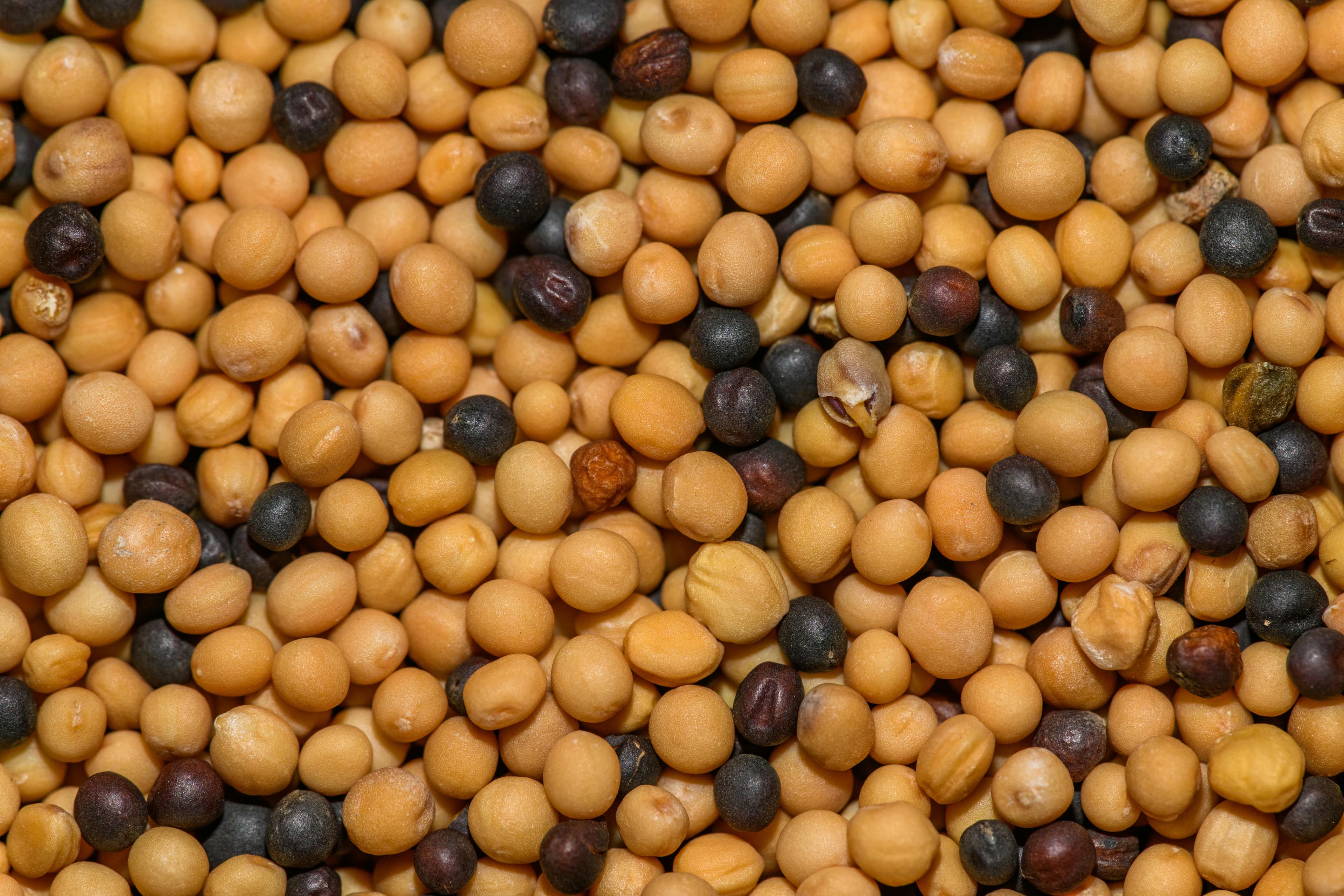
Nutty, sharp and classic in tempering. Cook until they pop to unlock flavour.
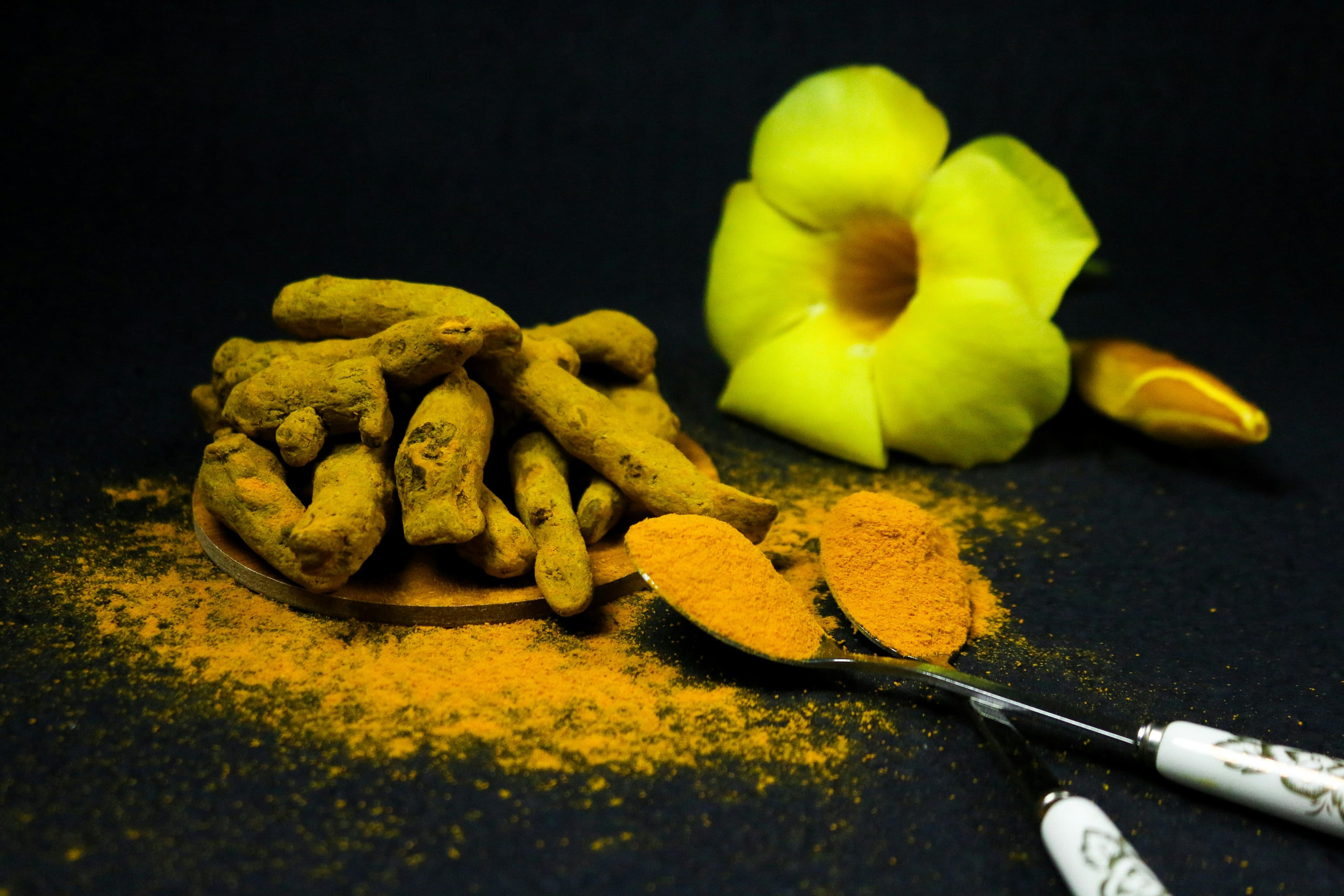
Earthy and vibrant. Used in small amounts as a base note and for colour.
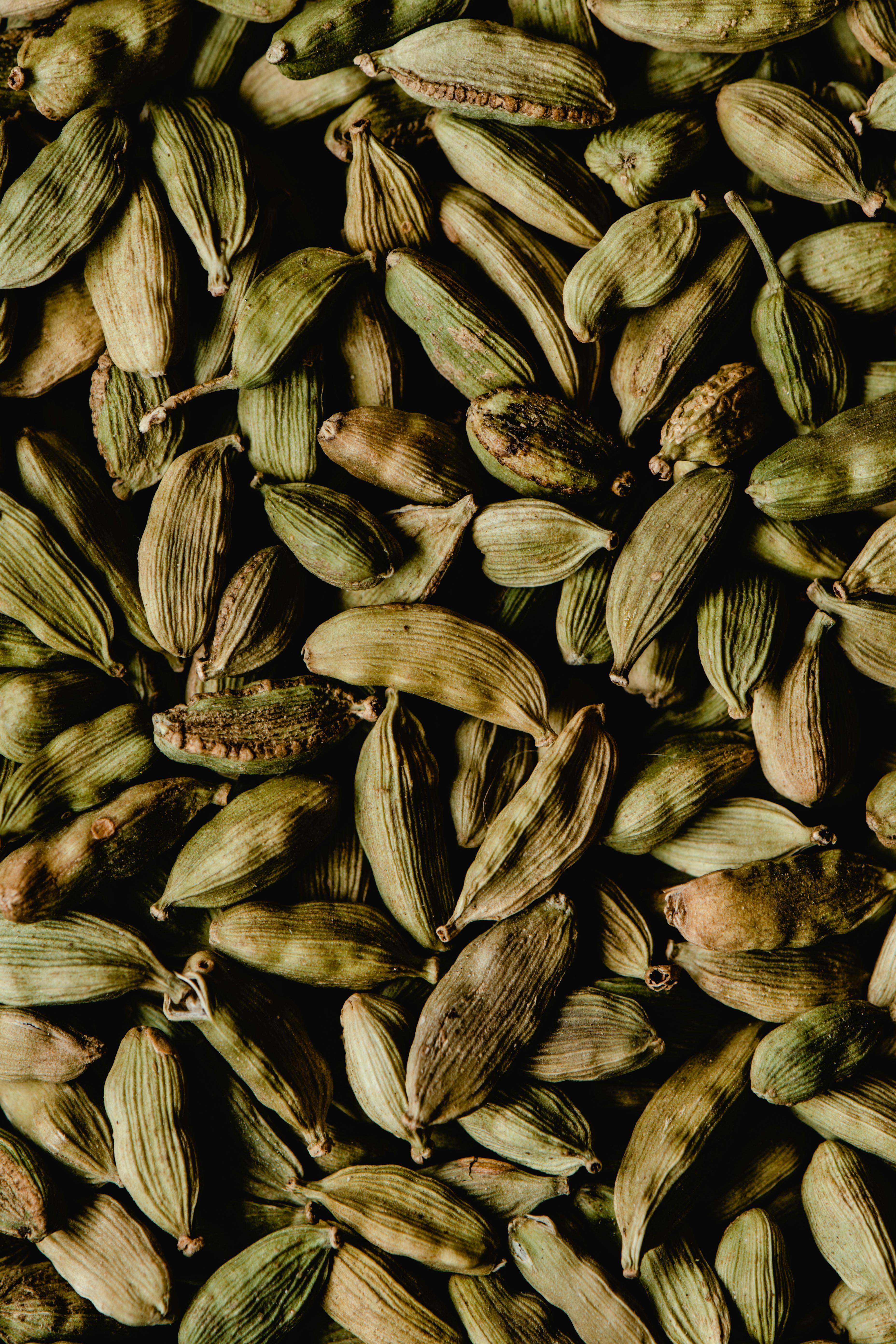
Sweet, floral and aromatic. Green cardamom is used in both savoury dishes and desserts.
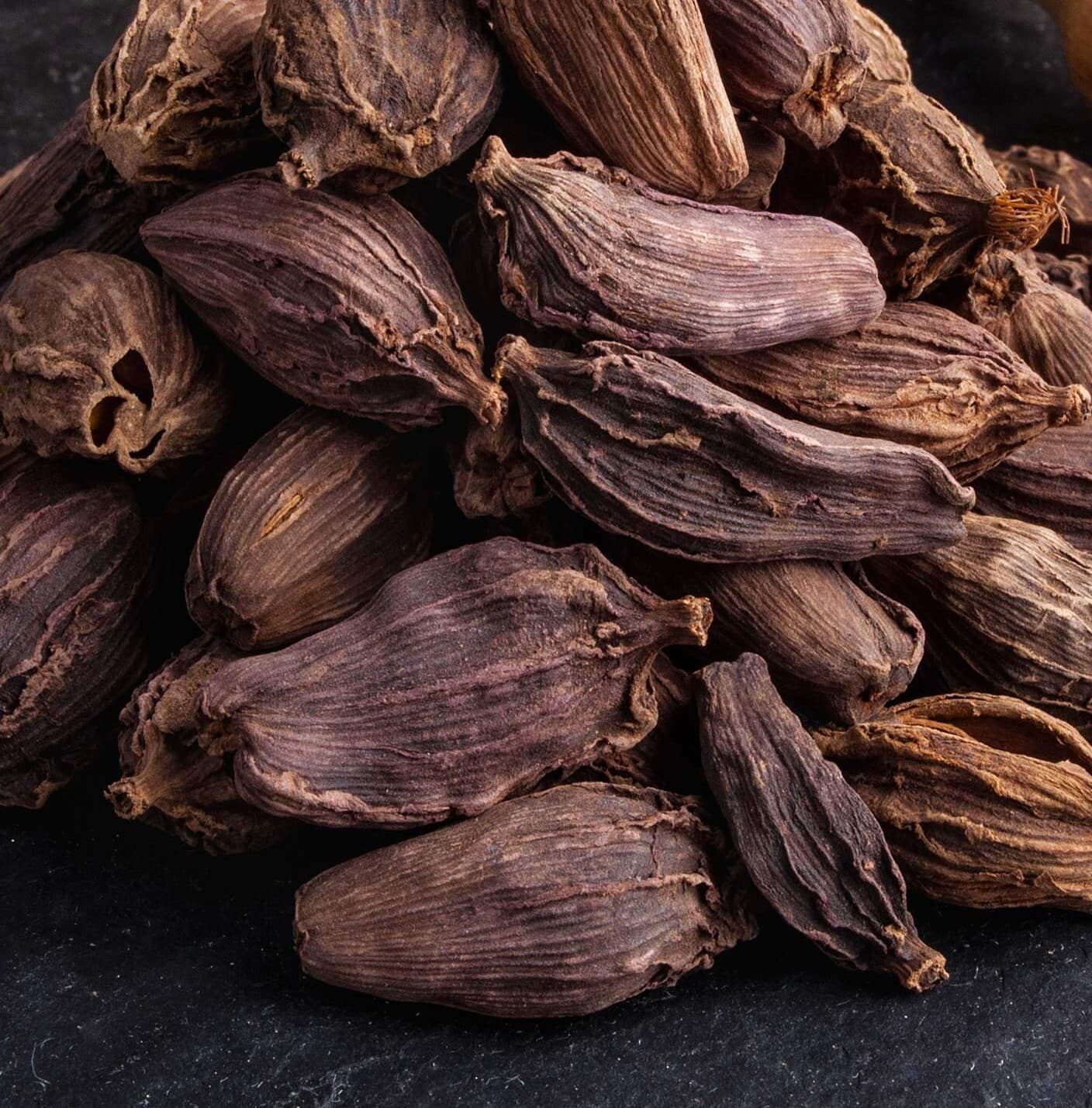
Smoky and bold, black cardamom adds depth rather than sweetness. Very different from green cardamom.
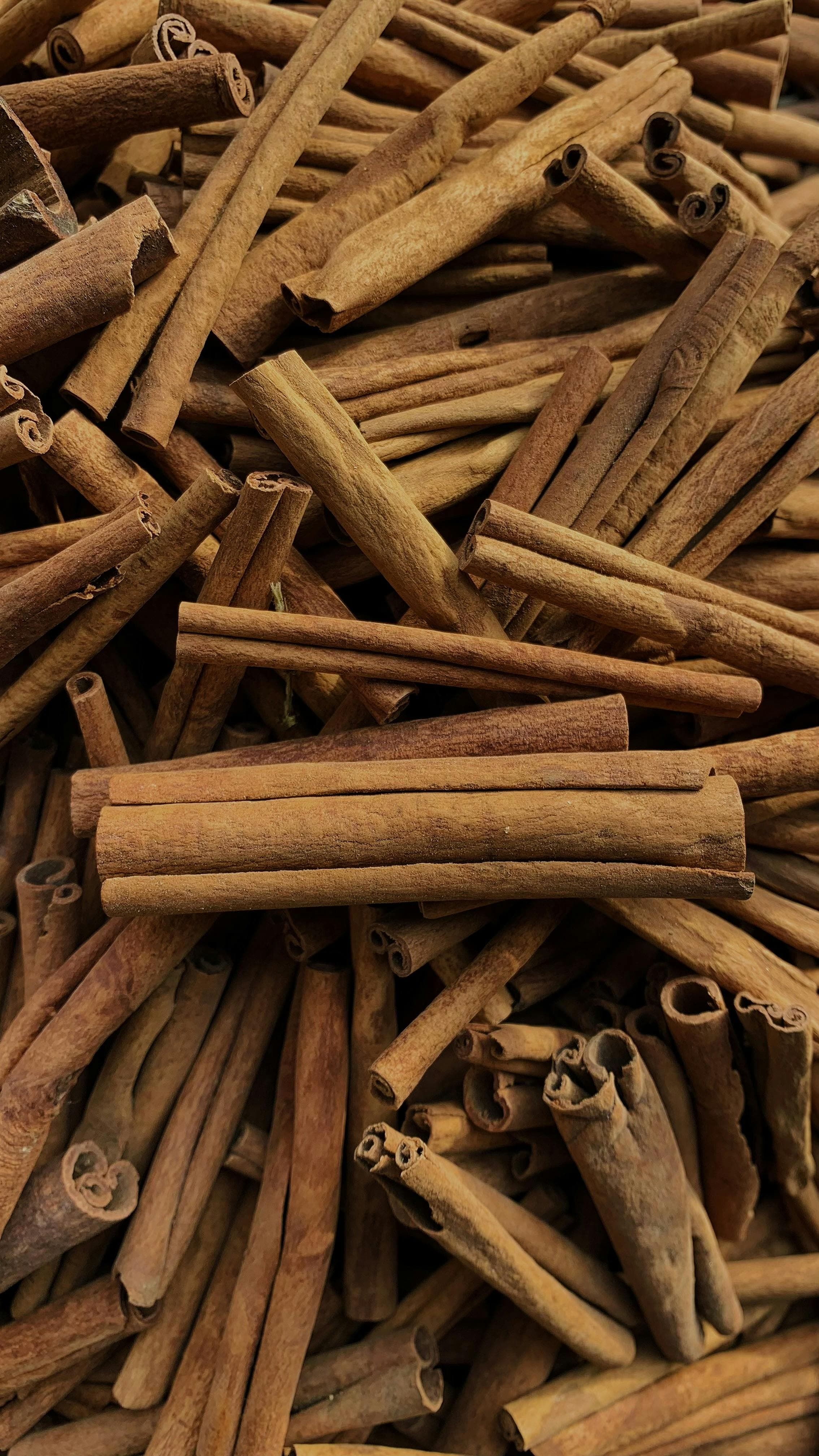
Warm and sweet. Indian cinnamon (cassia) is stronger than Western varieties.
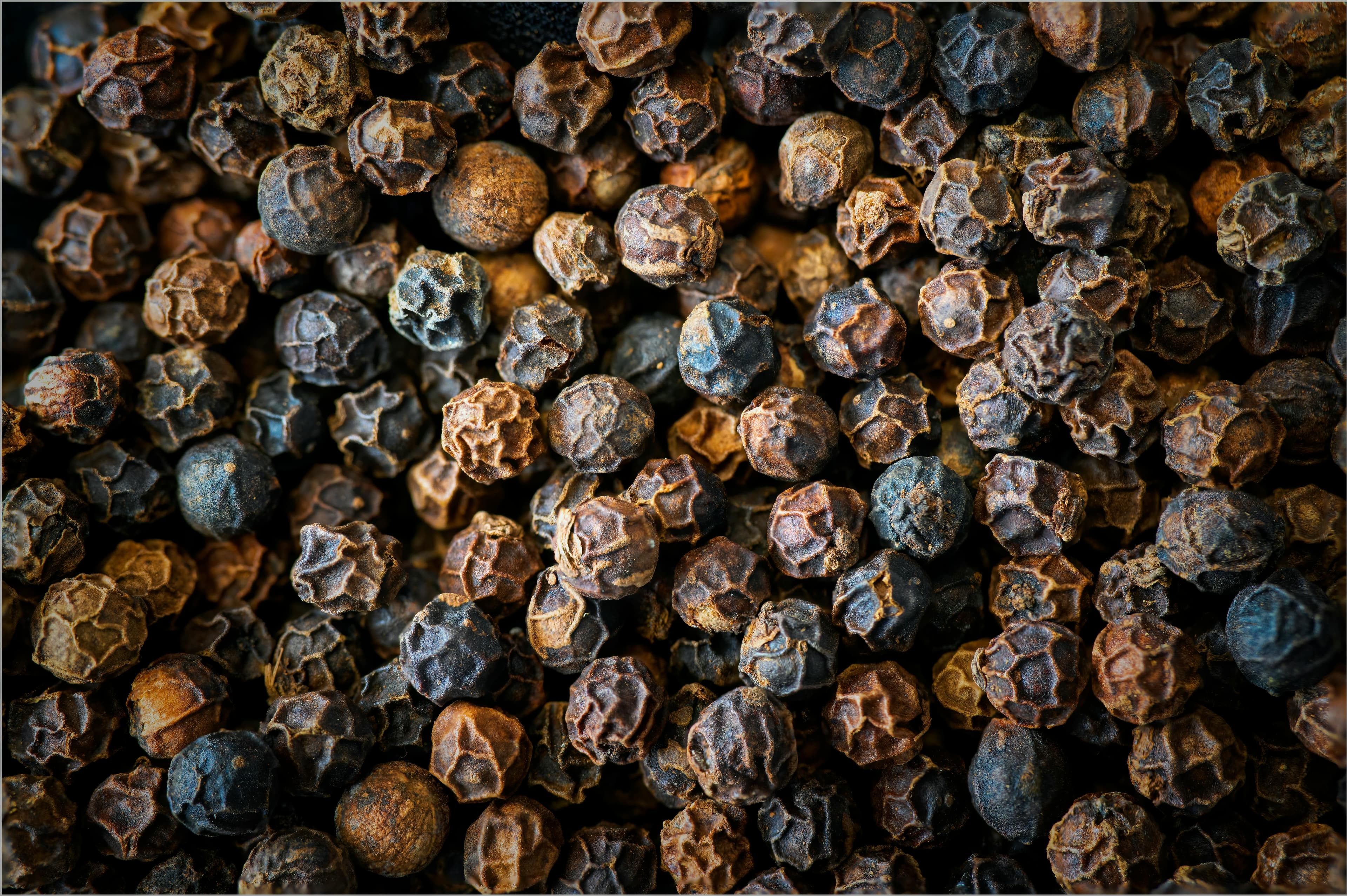
Sharp, woody heat. Peppercorns were historically more prized than chillies.
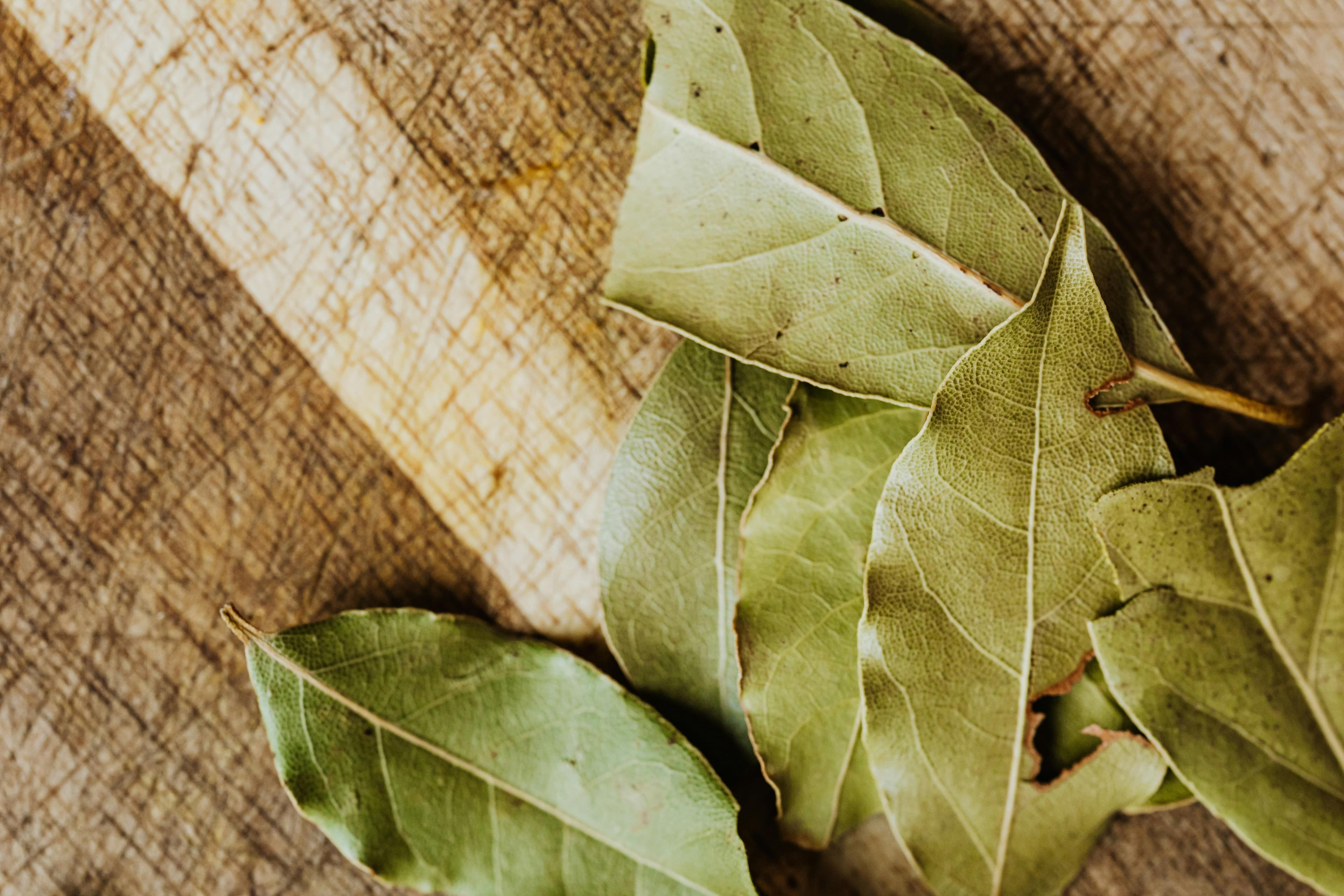
Indian bay leaf (tej patta) is aromatic and different from European bay leaf.
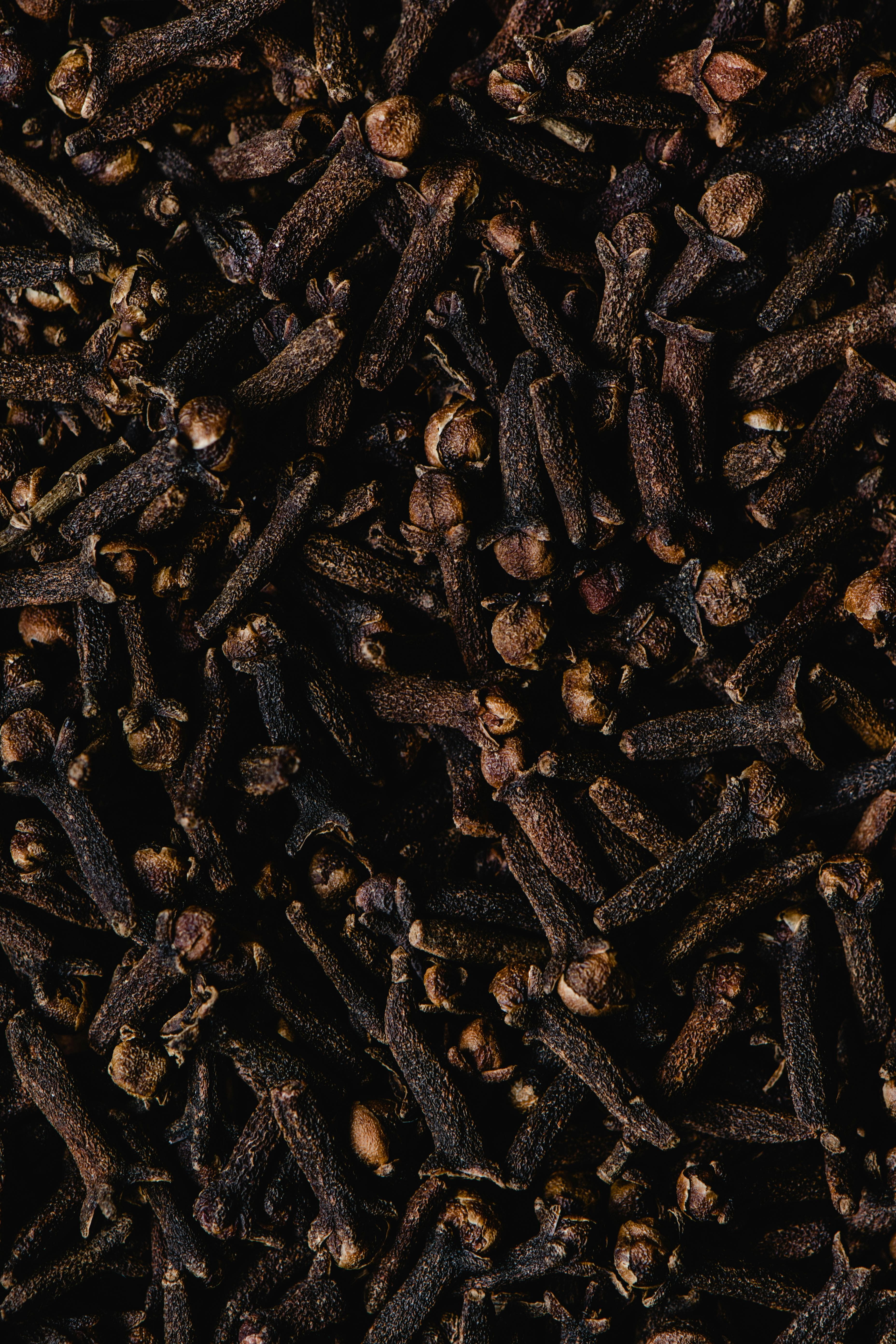
Strong, sweet and warming. Used whole to perfume dishes rather than dominate.
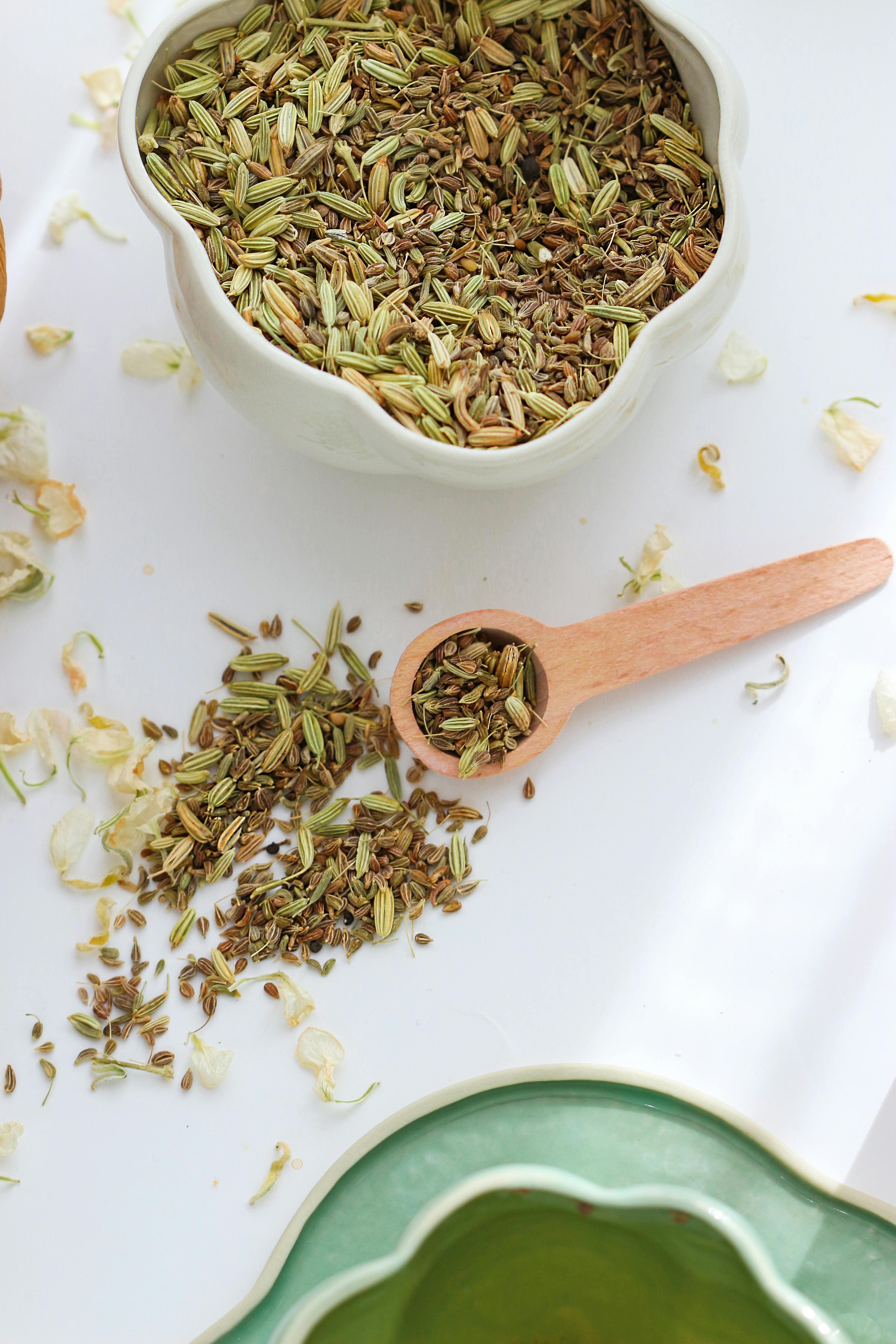
Sweet, liquorice-like and cooling. Common in North Indian cooking.
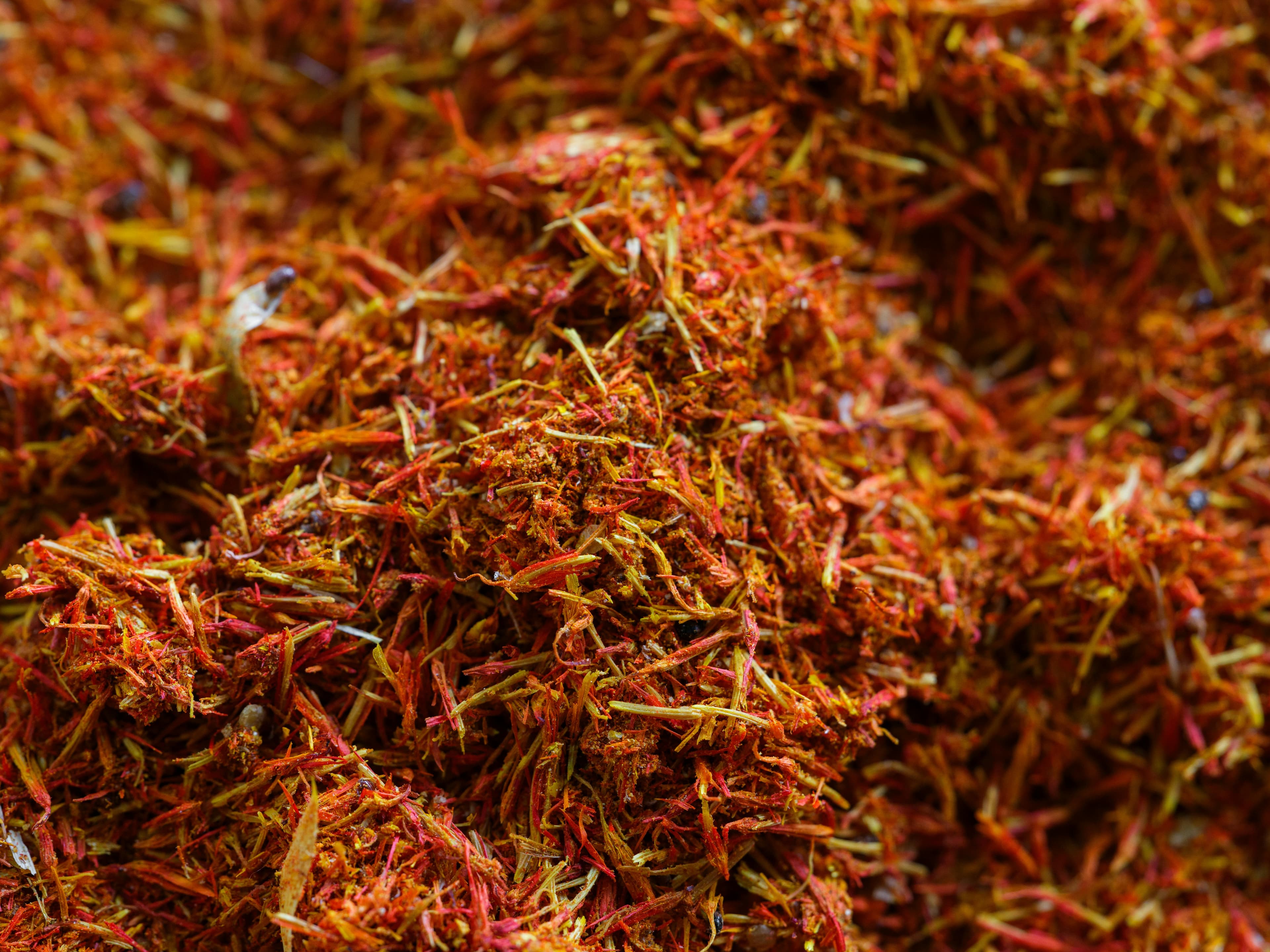
Delicate, floral and luxurious. Used for aroma and colour rather than heat.