

Vegan Masala Recipe
Vegetable Bhuna (North Indian Vegetable Curry)
Vegetable bhuna cooks Romanesco, edamame and mixed vegetables in a concentrated North Indian tomato masala, finished with a cumin-scented tadka. It is rich, textured and unapologetically full of spice.
Recipe by Craig LogueHow our recipes are created
Substantially updated 11 October 2026
Cook along with Craig
Watch the full recipe
Follow the complete Vegetable Bhuna method from prepared ingredients to the finished dish.
From the kitchen
What to expect
This bhuna keeps the vegetables distinct and the masala close to the pan, with a tomato base that clings rather than runs. The finishing tempering adds a little lift without softening the vegetables too much.
Serving idea
Best served simply
Serve hot with roti, naan, or steamed rice and a squeeze of lemon at the table.
Cook the recipe
Method
- 1
Heat 1 teaspoon oil in a large skillet over medium-high heat. Add 1/2 teaspoon dried fenugreek leaves, then add 2 cups Romanesco florets and 1/4 teaspoon salt. Cover and cook for 3 to 4 minutes, stirring once, until the edges start to brown.
- 2
Add 1 - 2 cups chopped vegetables and the remaining 1/4 teaspoon salt. If the pan looks dry, add 2 to 3 tablespoons water. Cover and cook until the Romanesco is just tender but still holds its shape.
- 3
Transfer the vegetables to a bowl and set aside.
- 4
In the same skillet, heat 2 teaspoons oil over medium heat. Add 1 cup chopped red onion and cook for 5 to 8 minutes, stirring and adding splashes of water as needed, until golden and softened.
- 5
Stir in 1 tablespoon ginger-garlic paste and cook for 30 seconds. Add 1/2 - 1 teaspoon garam masala, 1/4 teaspoon turmeric, 1 teaspoon ground coriander, 1/2 teaspoon smoked paprika, and 1/4 teaspoon salt. Stir until the spices smell cooked.
- 6
Mix in 2 tablespoons tomato paste, then add 1/3 cup non-dairy yogurt and 1/2 cup or more water or non-dairy milk. Simmer until the masala turns glossy and the tomato paste loses its raw taste.
- 7
Return the cooked vegetables and 1 cup shelled edamame beans to the skillet. Fold gently so the vegetables stay intact, then lower the heat.
- 8
In a small skillet, heat 1 teaspoon oil over medium-high heat. Add 1/2 teaspoon cumin seeds and 1 bay leaf. Once the cumin darkens slightly, add 1/2 cup onion and 1/4 teaspoon dried fenugreek leaves. Sauté for 3 to 4 minutes, until the onion is softened at the edges but still a little crisp.
- 9
Stir the tempered onion mixture into the curry. Cover, turn off the heat, and let it sit for 5 minutes before serving.
- 10
Finish with cilantro, pepper flakes, and a squeeze of lemon juice.
A few useful notes
Notes
- Root vegetables need the early cooking time in the first skillet; softer vegetables can go in with the second addition. Keep the first masala a little loose, since it thickens as it sits.
- For a thicker bhuna, use the lower end of the water range and simmer uncovered for a minute or two at the end. For a looser curry, add a splash more water or non-dairy milk when reheating.
- Leftovers keep well for up to 3 days in the fridge. Reheat gently on the stove and add a little water if the sauce has tightened too much.
- The final tempering should stay lightly crisp, not browned hard. Serve with roti, naan, or plain rice so the sauce can be scooped up properly.
Gather everything first
Ingredients
- 1 teaspoon oil
- 1/2 teaspoon dried fenugreek leaves
- 2 cups Romanesco florets
- 1 - 2 cups other vegetables of choice, chopped
- 1/2 teaspoon salt, divided
- 2 teaspoons oil
- 1 cup chopped red onion
- 1 tablespoon ginger-garlic paste
- 1/2 - 1 teaspoon garam masala (or to taste)
- 1/4 teaspoon turmeric
- 1 teaspoon ground coriander
- 1/2 teaspoon smoked paprika
- 1/4 teaspoon salt
- 2 tablespoons tomato paste
- 1/3 cup non-dairy yogurt (or use non-dairy cream such as coconut cream or cashew cream)
- 1/2 cup or more water or non-dairy milk
- 1 cup shelled edamame beans
- 1/2 teaspoon cumin seeds
- 1 bay leaf
- 1/2 cup onion (chopped into 3/4 - 1-inch cubes or slices)
- 1/4 teaspoon dried fenugreek leaves
- 1 tbsp lemon juice
Topic hub
Explore Vegan Indian Curry Recipes
Browse the curated curry hub for related chickpea, dal, potato, tofu and vegetable recipes in one place.
Visit the curry hubLearn the technique
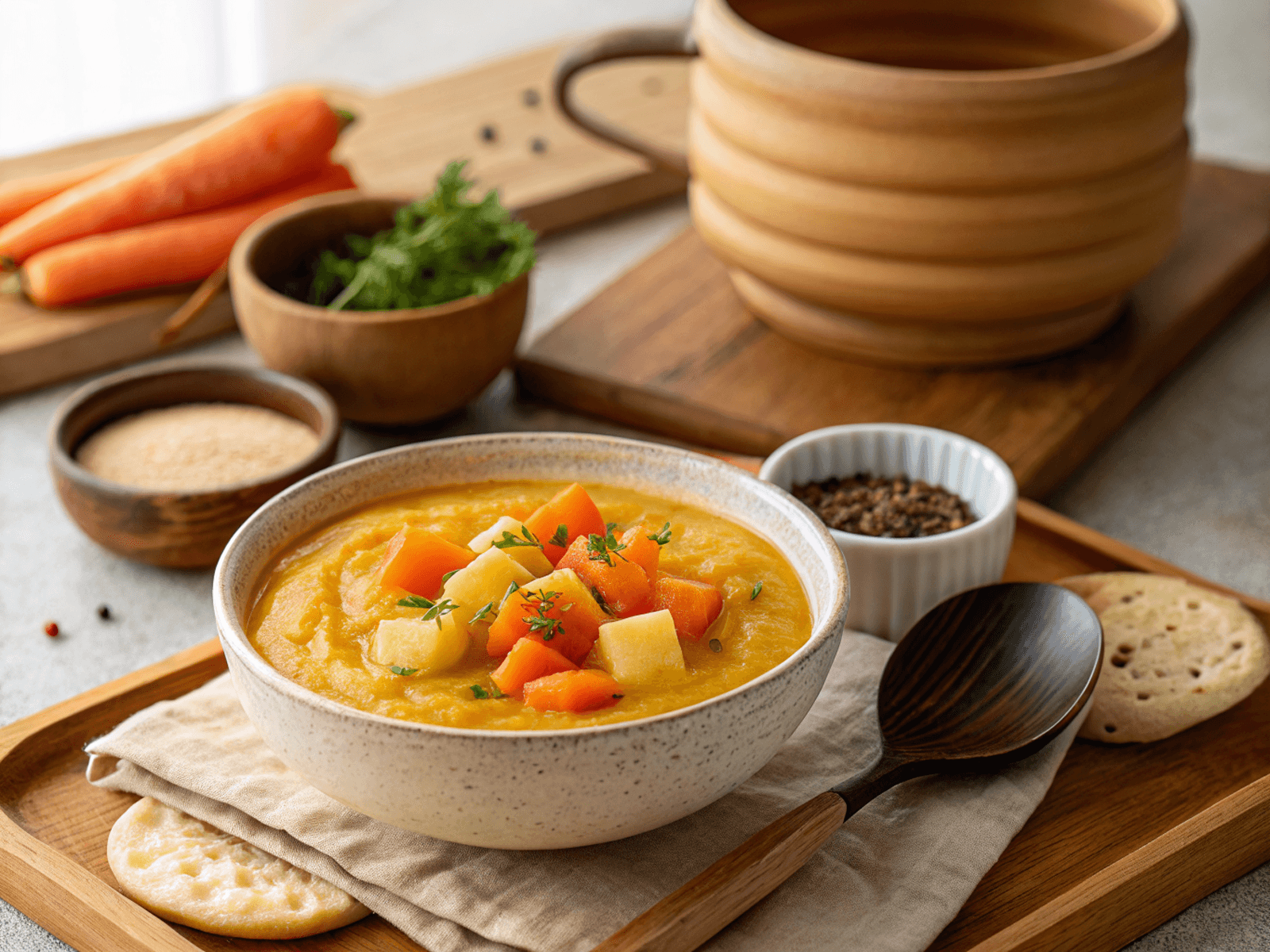
A UK Seasonal Vegetable Guide for Indian Cooking
A practical guide to choosing, storing and cooking seasonal UK vegetables with Indian spices throughout the year.
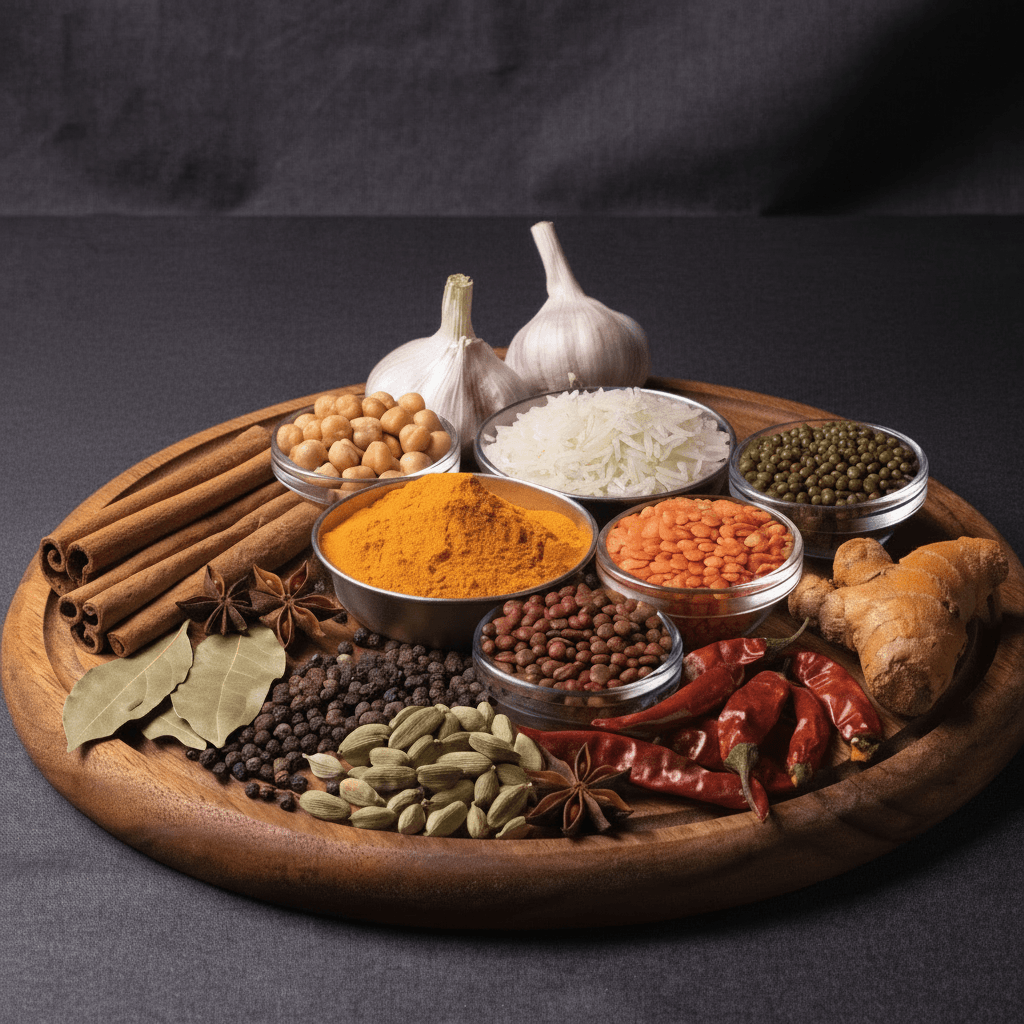
Essential Vegan Indian Pantry Staples
The core spices, lentils, beans, grains, and aromatics worth keeping on hand for everyday vegan Indian cooking.

How to Build a Curry Base
Learn the simple method behind most Indian curries by mastering the classic onion, tomato and spice base.