

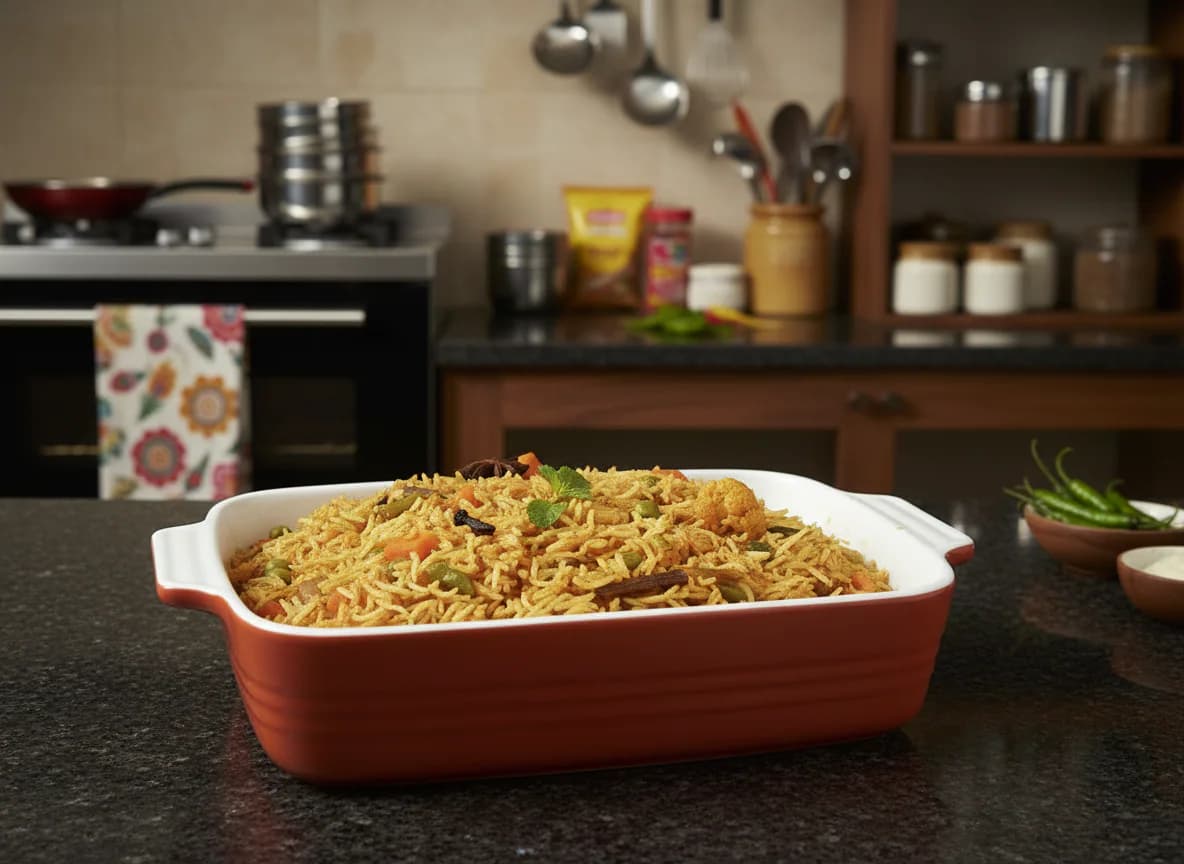
Vegan Masala Recipe
Veg Biryani | Vegetable Biryani Recipe
This vegetable biryani layers fragrant basmati rice with spiced vegetables, herbs and saffron. Each forkful should hold separate grains, tender vegetables and a new little burst of aroma.
Recipe by Craig LogueHow our recipes are created
From the kitchen
What to expect
Biryani rewards organisation: prepare the vegetables, herbs and spices before you begin. Part-cook the rice, layer with a light hand and let the sealed pot rest after cooking so the grains finish gently.
Serving idea
Best served simply
Serve hot with vegan yogurt, onion salad, or a small cucumber raita made with plant yogurt.
Recipe-specific guidance
Why this method works
Biryani depends on separate rice grains and controlled moisture. Part-cooking the rice before layering prevents it turning soft, while resting the sealed pot allows trapped steam to finish the centre without vigorous stirring.
Cues to watch for
- •Soaked basmati should be boiled only until a grain bends but still has a firm centre.
- •The vegetable masala should be thick, not watery, before layering.
- •Rest the cooked biryani before lifting gently from the side with a broad spoon.
Useful substitutions
- •Choose vegetables that hold their shape, such as cauliflower, carrot, beans and peas.
- •Use turmeric-tinted warm plant milk if saffron is unavailable.
- •Mint and coriander have different roles; use both where possible rather than doubling one.
Storage and reheating
Cool rice quickly, refrigerate within one hour and eat within one day. Reheat once until steaming hot throughout, adding a few drops of water before covering.
Cook the recipe
Method
- 1
Rinse 1 cup basmati rice until the water runs clear. Soak it in fresh water for 15 minutes, then drain well.
- 2
Heat 2 tablespoons oil in a pot, pressure cooker, or Instant Pot on medium heat. Add 1 large thinly sliced onion and cook until deep golden at the edges.
- 3
Add 1/2 teaspoon cumin seeds and 1/2 teaspoon mustard seeds. Let them crackle, then stir in 1 teaspoon ginger-garlic paste and cook until the raw smell fades.
- 4
Add 1/2 teaspoon turmeric powder and 1 teaspoon garam masala. Stir for about 30 seconds so the spices bloom in the hot oil.
- 5
Add 1 cup mixed vegetables and 2 medium chopped tomatoes. Cook until the tomatoes soften and the masala thickens slightly and the vegetables are coated.
- 6
Stir in the drained rice, then add 2 cups water and salt to taste. Mix gently so the grains stay intact.
- 7
If using an Instant Pot, cook on high pressure for 5 minutes and let the pressure release naturally for 5 minutes before opening. In a pressure cooker, cook for 2 whistles, then rest off the heat. In a pot, cover and cook on low until the rice is done and the water is absorbed.
- 8
Rest the biryani for 5 minutes, then fluff gently with a fork. Finish with fresh coriander leaves.
A few useful notes
Notes
- Soaking the rice helps the grains cook evenly and stay separate. Drain it well before it goes into the pot.
- Keep the onion a deep golden colour, not pale. That colour gives the biryani its base and helps the masala taste rounded.
- If your vegetables are soft-cooking, add them closer to the rice stage so they do not turn mushy.
- For leftovers, cool the biryani quickly and refrigerate in a covered container for up to 3 days. Reheat with a spoonful of water over low heat.
- A small bowl of unsweetened vegan yogurt or cucumber salad works well if you want something cool alongside it.
Gather everything first
Ingredients
- 1 cup basmati rice
- 2 tablespoons oil (coconut or vegetable)
- 1 large onion, thinly sliced
- 1/2 teaspoon cumin seeds
- 1/2 teaspoon mustard seeds
- 1 teaspoon ginger-garlic paste
- 1/2 teaspoon turmeric powder
- 1 teaspoon garam masala
- 1 cup mixed vegetables (carrots, peas, bell peppers, etc.)
- 2 medium tomatoes, chopped
- 2 cups water
- 1 tsp salt
- 2 tbsp fresh coriander, chopped
Learn the technique
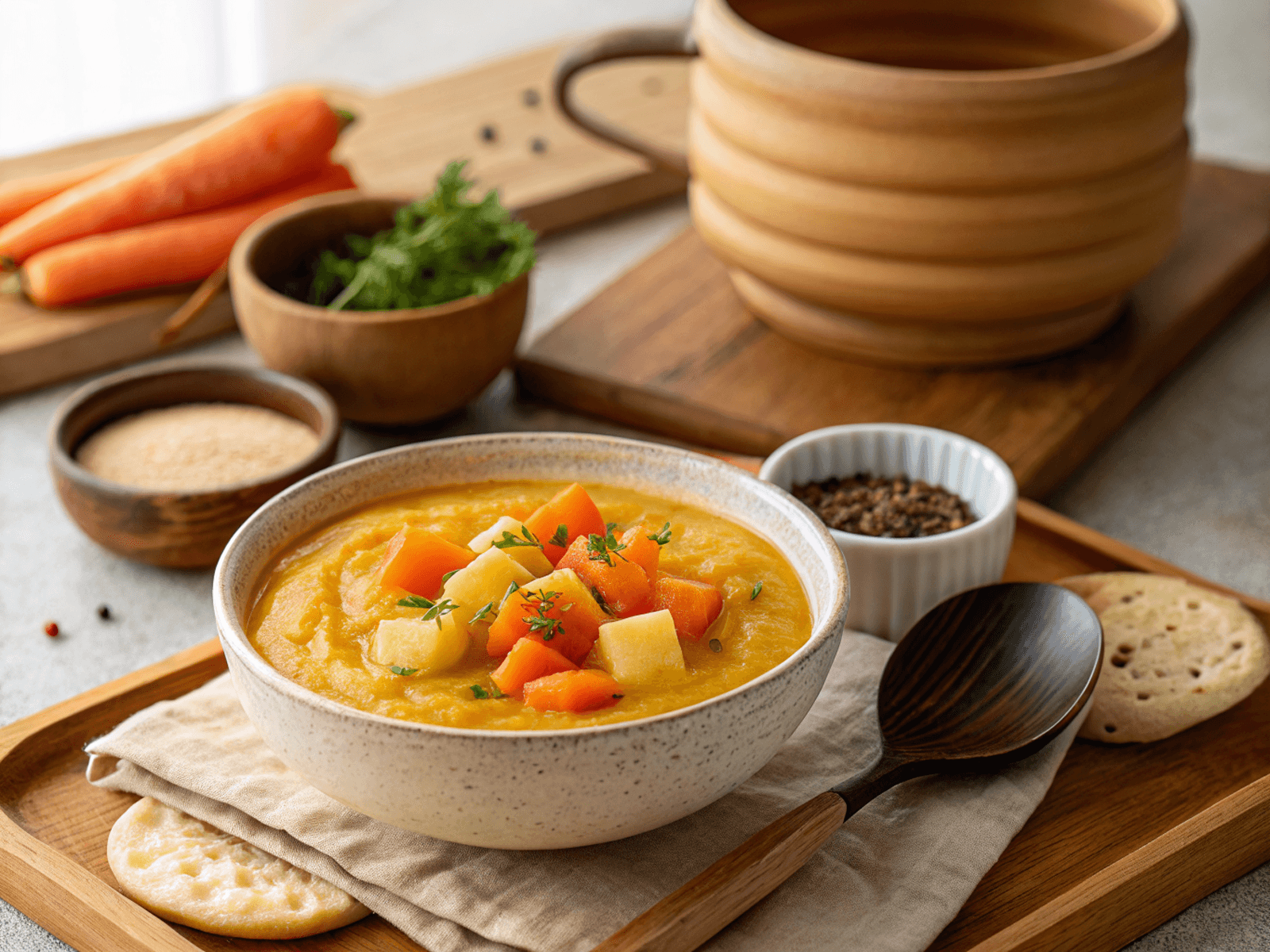
A UK Seasonal Vegetable Guide for Indian Cooking
A practical guide to choosing, storing and cooking seasonal UK vegetables with Indian spices throughout the year.
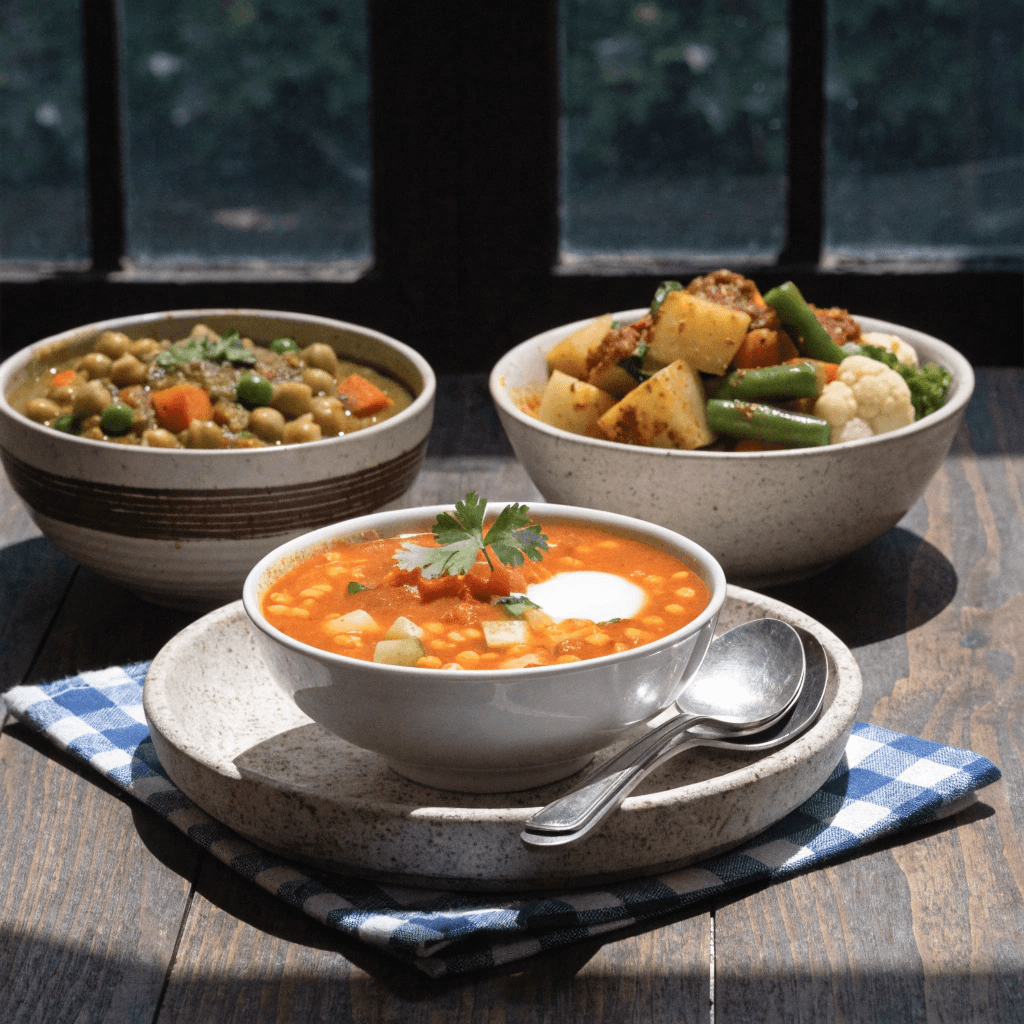
Beginner-Friendly Vegan Indian Recipes
Simple vegan Indian dishes perfect for beginners starting their cooking journey.
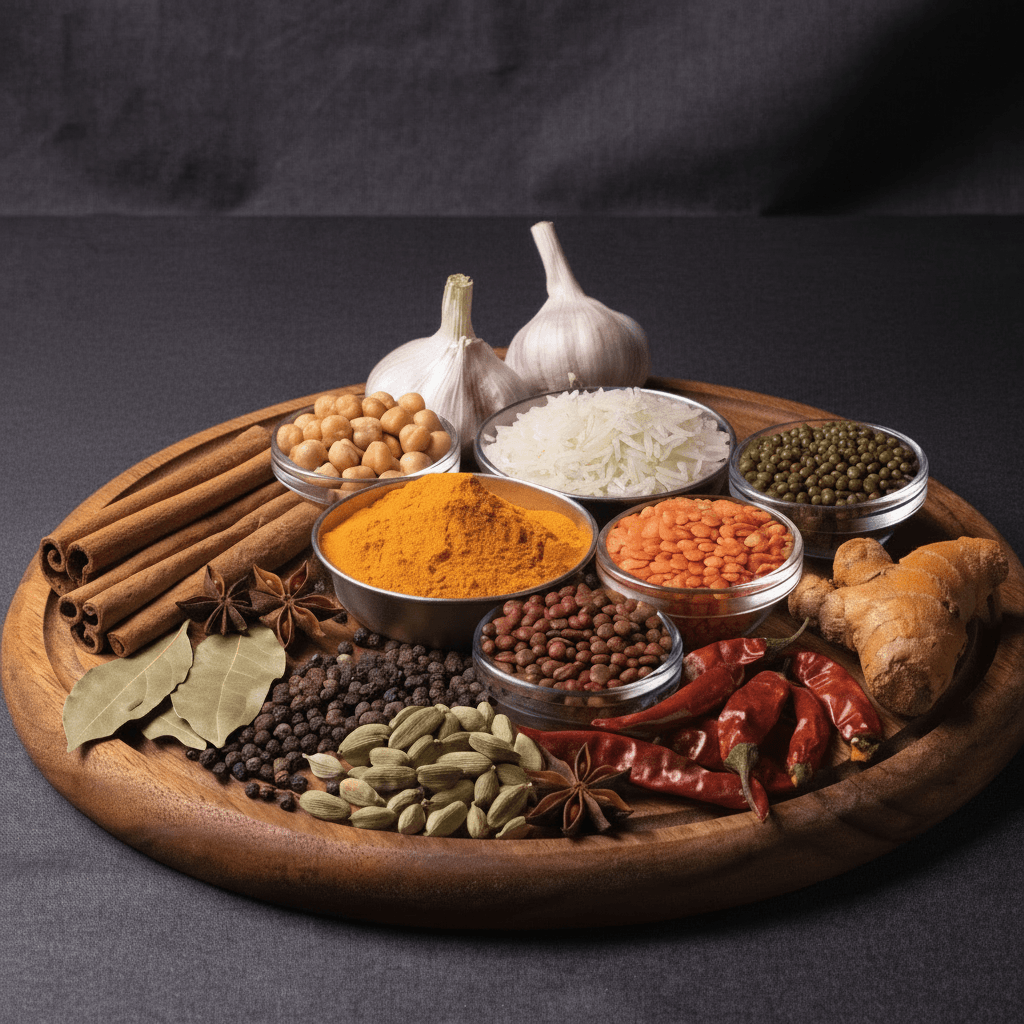
Essential Vegan Indian Pantry Staples
The core spices, lentils, beans, grains, and aromatics worth keeping on hand for everyday vegan Indian cooking.