

Vegan Masala Recipe
Dosa Recipe
A properly fermented rice-and-lentil batter makes dosas crisp at the edges, lacy across the centre and faintly tangy. Serve them straight from the pan with sambar and fresh chutney.
Recipe by Craig LogueHow our recipes are created
From the kitchen
What to expect
This batter needs time, not fuss. Once it ferments properly, it gives you dosas with a clean tang, crisp edges and a soft centre.
Serving idea
Best served simply
Serve hot with coconut chutney and sambar, or fill with spiced potato masala for a fuller meal.
Recipe-specific guidance
Why this method works
Dosa batter relies on fermentation for flavour, browning and a lacy texture. The pan must be evenly hot but not smoking, and spreading from the centre with light pressure creates a thin crepe without tearing the setting batter.
Cues to watch for
- •Fermented batter should smell pleasantly tangy and show tiny bubbles.
- •A drop of water should skitter and evaporate on the pan, not vanish instantly in smoke.
- •The dosa releases naturally when the underside is crisp and golden.
Useful substitutions
- •Short-grain rice is preferable to aromatic basmati for traditional texture.
- •A small amount of cooked rice can help crispness if your batter remains soft.
- •Fermentation time varies greatly with room temperature; judge the batter, not only the clock.
Storage and reheating
Fermented batter keeps refrigerated for up to three days and becomes tangier. Cooked dosa soften quickly and are best eaten straight from the pan.
Cook the recipe
Method
- 1
In a large bowl, combine 2 cups rice, ½ cup urad dal, 2 tablespoons chana dal, ½ teaspoon fenugreek seeds, and ½ cup poha. Cover with water by 2 to 3 inches and soak for 8 hours.
- 2
Drain the soaked mixture and transfer it to a blender. Add 1 cup of the 1½ cups water and blend until smooth with a slight fine grain from the rice.
- 3
Check the batter; it should be thick but pourable. Add the remaining ½ cup water little by little only if needed to loosen it.
- 4
Transfer the batter to a large bowl, cover, and leave it in a warm place for at least 8 hours or overnight, until it looks puffy and lightly risen.
- 5
Stir in salt to taste after fermentation. The batter should fall from the spoon in a steady ribbon; if it feels too tight, stir in a small splash of water.
- 6
Heat a griddle over medium-high heat until a few drops of water sizzle and disappear within 5 seconds.
- 7
Pour a ladleful of batter in the centre of the griddle and spread it quickly in a thin spiral with the base of the ladle.
- 8
Drizzle a little vegetable oil or use cooking spray around the edges. If using spray, lower the heat briefly before spraying.
- 9
Cook until the edges turn lacy and golden and the surface is dry. Ease the dosa off with a flat spatula and serve at once.
- 10
Repeat with the remaining batter, stirring the batter lightly between dosas if it settles.
A few useful notes
Notes
- Fermentation changes with room temperature. In a warm kitchen, the batter may be ready sooner; in a cool one, give it more time until it looks airy and smells mildly sour.
- If the batter becomes too thick after fermenting, loosen it with a tablespoon of water at a time. If it turns too thin, a little rice flour can help bring it back, but add only enough to keep the batter spreadable.
- For dosas with more colour and crispness, make sure the griddle is properly heated before pouring the batter. If the pan is too cool, the batter will stick and spread unevenly.
- Leftover batter keeps well in the fridge for up to 2 days. Stir it gently before cooking and bring it back to room temperature if possible.
- Cooked dosas are best eaten straight away. If needed, reheat them on a hot griddle rather than in the microwave so the edges stay crisp.
Gather everything first
Ingredients
- 2 cups rice (white basmati rice recommended)
- ½ cup urad dal (black gram dal)
- 2 tablespoons chana dal (Bengal gram dal)
- ½ teaspoon fenugreek seeds (methi seeds)
- ½ cup poha (flattened rice)
- 1½ cups water, divided
- 1 tsp salt
- 2 tbsp oil
Learn the technique
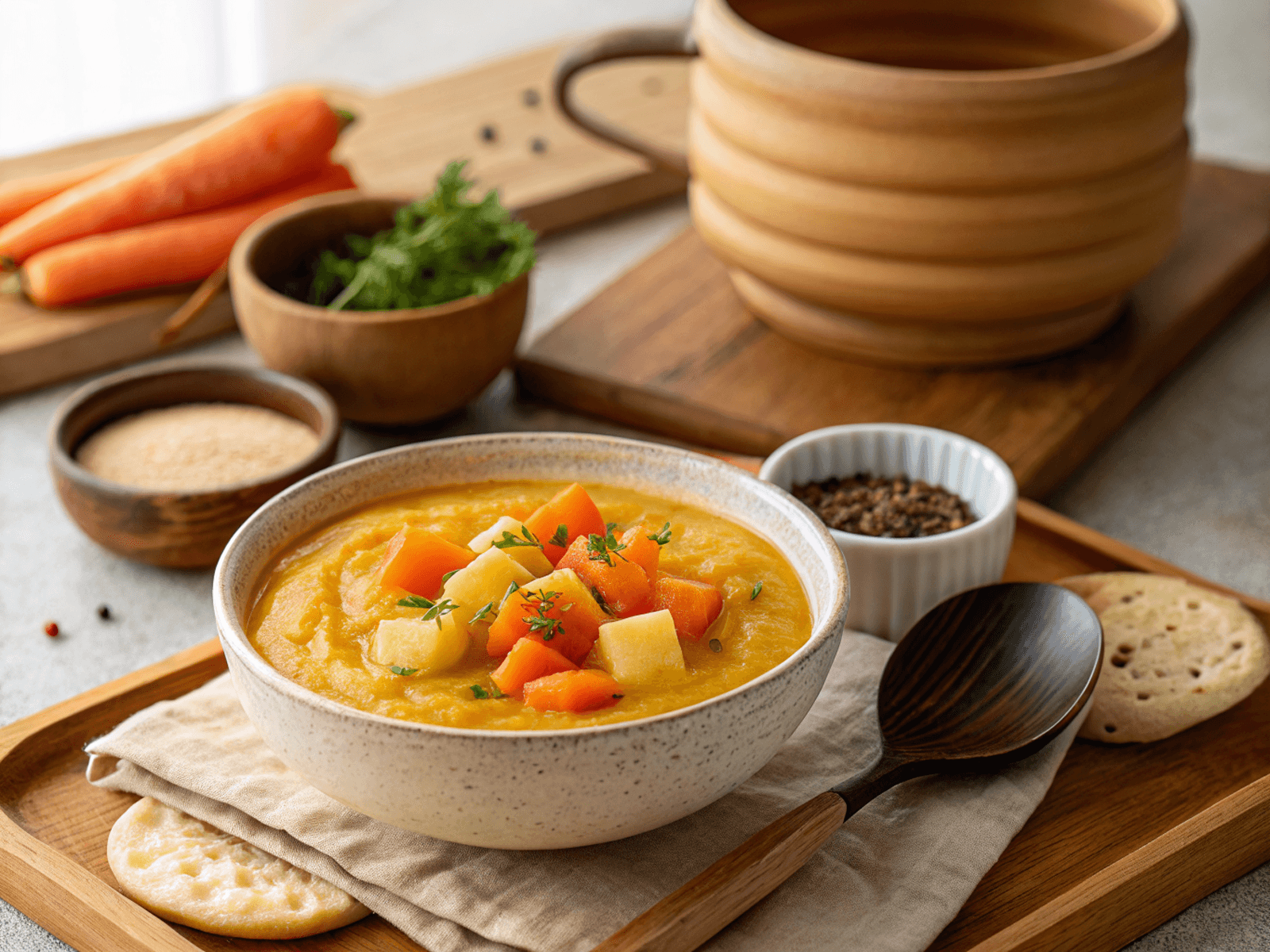
A UK Seasonal Vegetable Guide for Indian Cooking
A practical guide to choosing, storing and cooking seasonal UK vegetables with Indian spices throughout the year.
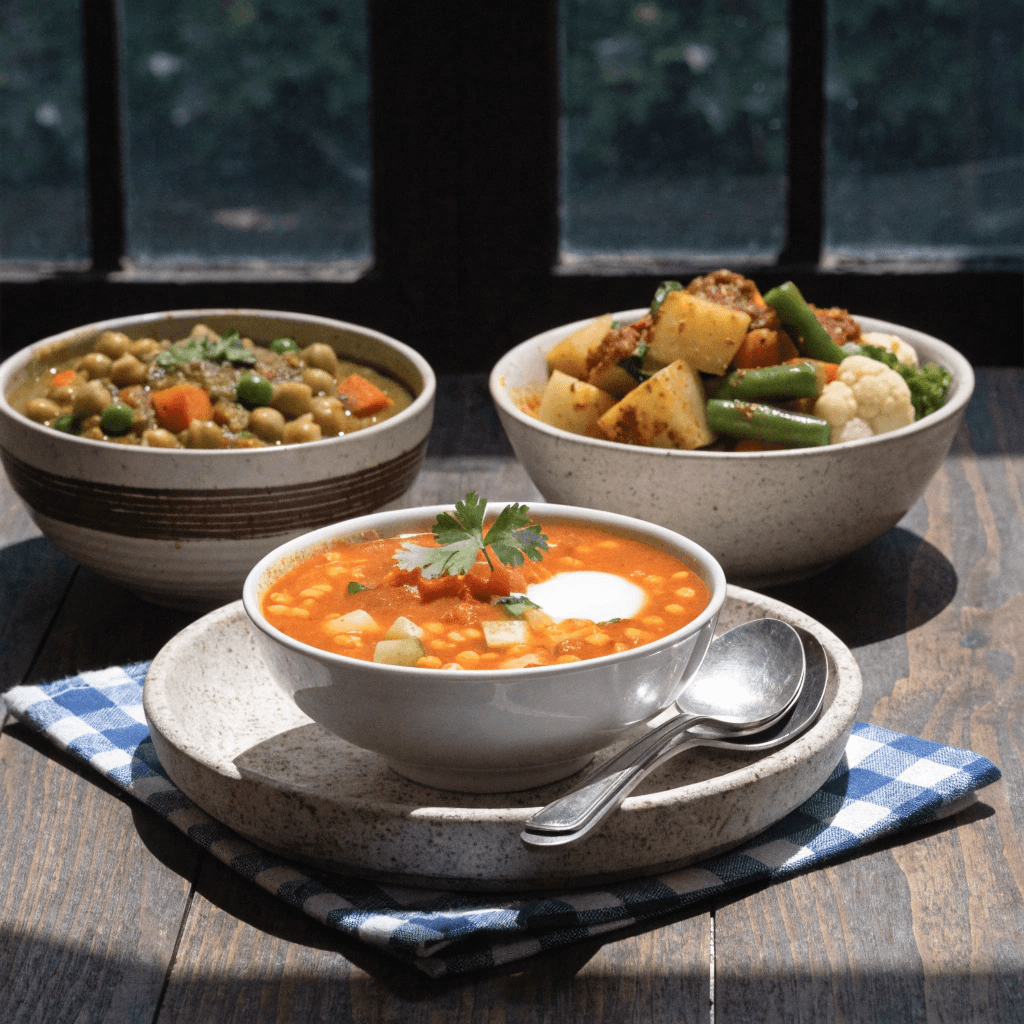
Beginner-Friendly Vegan Indian Recipes
Simple vegan Indian dishes perfect for beginners starting their cooking journey.
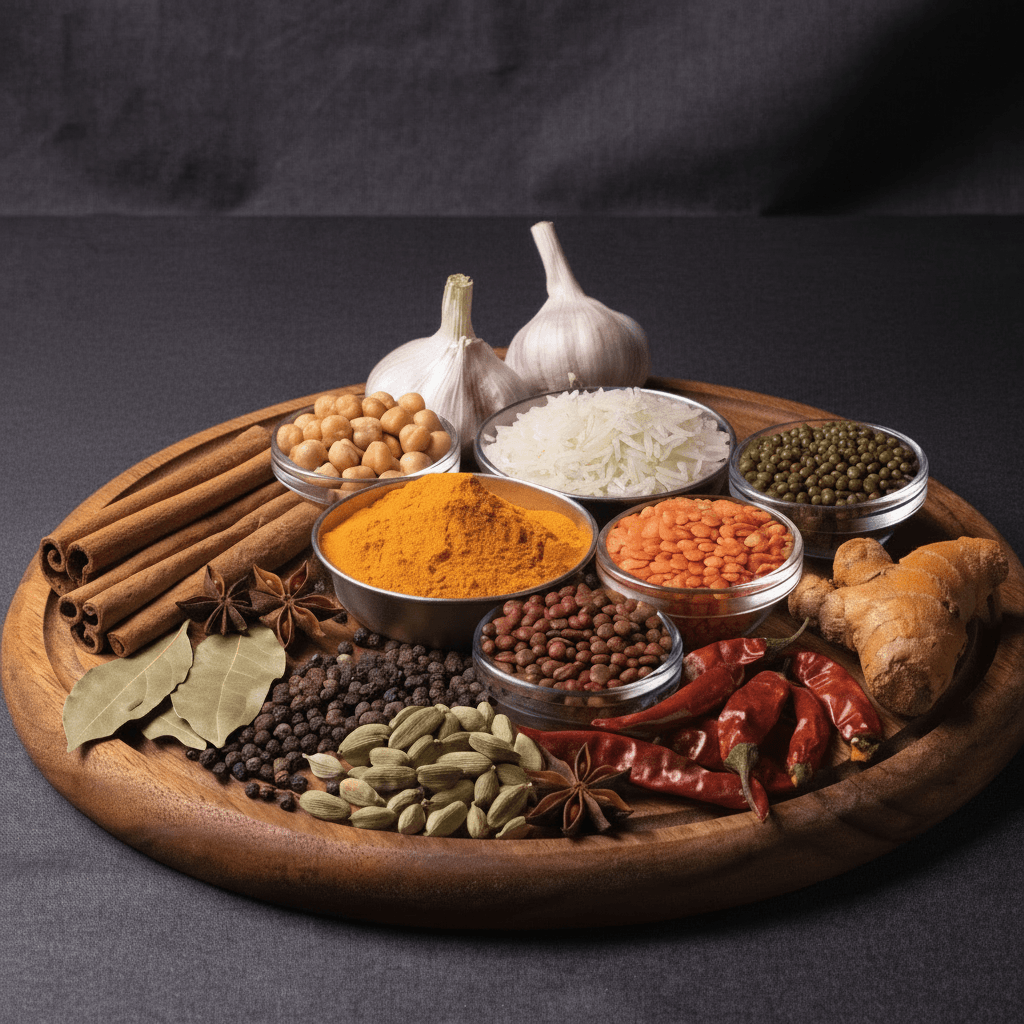
Essential Vegan Indian Pantry Staples
The core spices, lentils, beans, grains, and aromatics worth keeping on hand for everyday vegan Indian cooking.